
Where Tampa Fishing Charters Go for Tarpon During Peak Season
Tampa anglers know that when spring slides into early summer, the Silver Kings show up in force. We're talking thousands of tarpon pushing through channels, rolling on flats, and stacking up near bridges. The question isn't whether you'll find them—it's whether you know where to look and how to get there before the rest of the fleet.
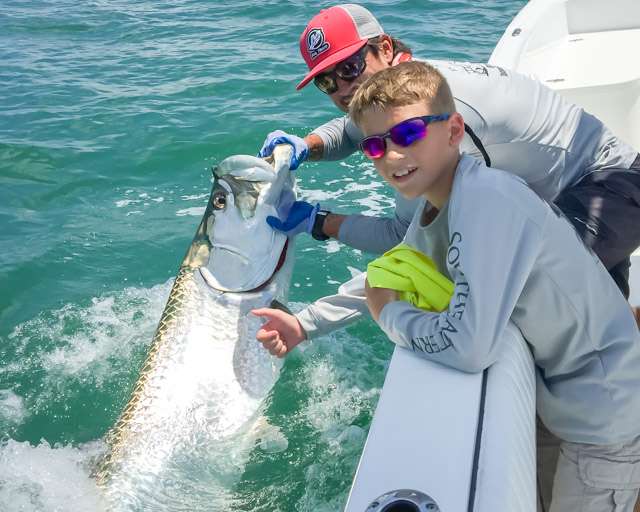
Most recreational fishermen stumble around hoping for luck. Charter captains? They've mapped every staging area, timed every tide, and watched migration patterns shift year after year. If you want to hook a hundred-pound fish that can clear six feet of air, you'd better follow someone who's done it a few hundred times.
When the Run Hits Its Stride
Tarpon don't punch a clock, but they're predictable enough. Late April kicks things off. By May, the bay is loaded. June can be lights-out good, then the numbers taper through July. Water temperature drives it all—once the Gulf warms past seventy-five degrees, baitfish flood the shallows and tarpon aren't far behind.
Charters that book early in the season get clients onto fish before the crowds arrive. Wait until Memorial Day weekend and you'll be sharing your favorite bridge with a dozen other boats. Understanding how local conditions change fish activity matters more than gear, and showing up during the peak two weeks can make or break your trip.
The Zones That Produce Fish
Tampa Bay isn't one big bathtub. It's a patchwork of cuts, flats, bars, and structure—and tarpon use different pieces depending on tide, bait, and how much boat traffic they've seen that week. Charters rotate through proven zones, adjusting based on what the fish are telling them.
- Egmont Key: The gateway between bay and Gulf. Deep water, strong current, and a constant supply of baitfish make this a staging ground for incoming tarpon. Most charters start here at dawn when fish are actively feeding before the sun pushes them deeper.
- Sunshine Skyway Bridge: Shadow lines and pilings create ambush points. Tarpon hold in the current, waiting for bait to wash through. Charters drift live offerings or work artificials tight to structure, and hookups often happen within sight of passing cars overhead.
- Pass-a-Grille and the Gulf Beaches: Clear water, rolling fish, sight-casting with a fly rod or spinning gear. This is where the sport gets visual. Captains pole the flats or idle along the beach, scanning for tarpon cruising just below the surface.
- Fort De Soto Park: Grass flats meet deeper channels, and tarpon move through both. It's a mix-and-match environment where you can fish shallow in the morning and drop into cuts when the sun climbs high. Versatile water means more shots throughout the day.
- Upper Tampa Bay: Early-season fish push into backcountry creeks and residential canals. It's not the glamour zone, but tarpon stack up where mullet are thick. Charters that know the back routes can put clients on fish before the main migration even reaches the lower bay.
How the Best Captains Hunt Them
Live bait still dominates. Threadfin herring, pinfish, crabs—whatever the tarpon are keyed in on that week. Free-lining or light weights, drifted through the zone, and you wait for the eat. Artificials work too, especially when sight-fishing. Swimbaits and jigs get the job done if you can make an accurate cast without spooking the school.
Heavy tackle is standard. Tarpon don't play nice, and a fish over a hundred pounds will test every knot and drag setting you've got. Captains position boats based on tide, wind, and how the fish are moving. It's chess, not checkers. And when the bite window opens, there's no room for sloppy execution.
Why Experience Beats Everything Else
You can read reports and watch videos, but tarpon don't care about your research. They move based on conditions that shift daily—bait concentrations, water clarity, pressure changes. Local guides spend hundreds of days a year on these waters. They know which flat holds fish on a falling tide and which bridge piling gets the first push of bait at sunrise.
Booking a guide isn't about laziness. It's about maximizing your shot at a trophy fish in a narrow seasonal window. You get their knowledge, their equipment, and their ability to adapt when Plan A doesn't pan out. That's the difference between stories and photos.
Prime Locations That Deliver Consistently
Some zones produce year after year because the geography doesn't change. Deep channels funnel tarpon through predictable routes. Grass flats hold bait that tarpon can't resist. Bridge pilings create current breaks that fish use to conserve energy while waiting for food to drift past.
- Egmont Key remains a launch point for most serious charters during peak weeks
- The Skyway Bridge offers structure fishing when tarpon are stacked and feeding
- Pass-a-Grille flats provide sight-fishing opportunities that few other areas can match
- Fort De Soto's mix of habitats means fish can be found in multiple environments throughout the day
- Upper bay spots deliver early-season action before the main run fills the lower bay
What Separates a Good Day from a Blank
Luck plays a role, but preparation plays a bigger one. Charters that scout before trips, monitor bait schools, and adjust tactics based on real-time conditions put their clients on fish more consistently. Captains who chase reports from two days ago? They're usually late to the party.
Stealth matters more than most anglers realize. Tarpon spook easily in shallow water, and a noisy approach can shut down an entire school. Experienced guides know how to position, when to pole, and when to cut the motor. Those details add up to more hookups and fewer blown opportunities.
Tackle and Tactics That Actually Work
Heavy spinning rigs or conventional setups handle the power. Braided line for sensitivity, fluorocarbon leaders to reduce visibility. Live bait techniques get soaked near structure or drifted across flats. Artificials get cast to rolling fish or worked through channels when bait is scarce.
- Threadfin herring hooked through the nose and drifted with minimal weight
- Pinfish or crabs for bridge fishing where current pushes bait into ambush zones
- Swimbaits in natural colors for sight-casting when tarpon are cruising shallow
- Circle hooks to improve hookup ratios and reduce deep hooking
- Drag settings dialed in before the first cast to avoid break-offs on the initial run
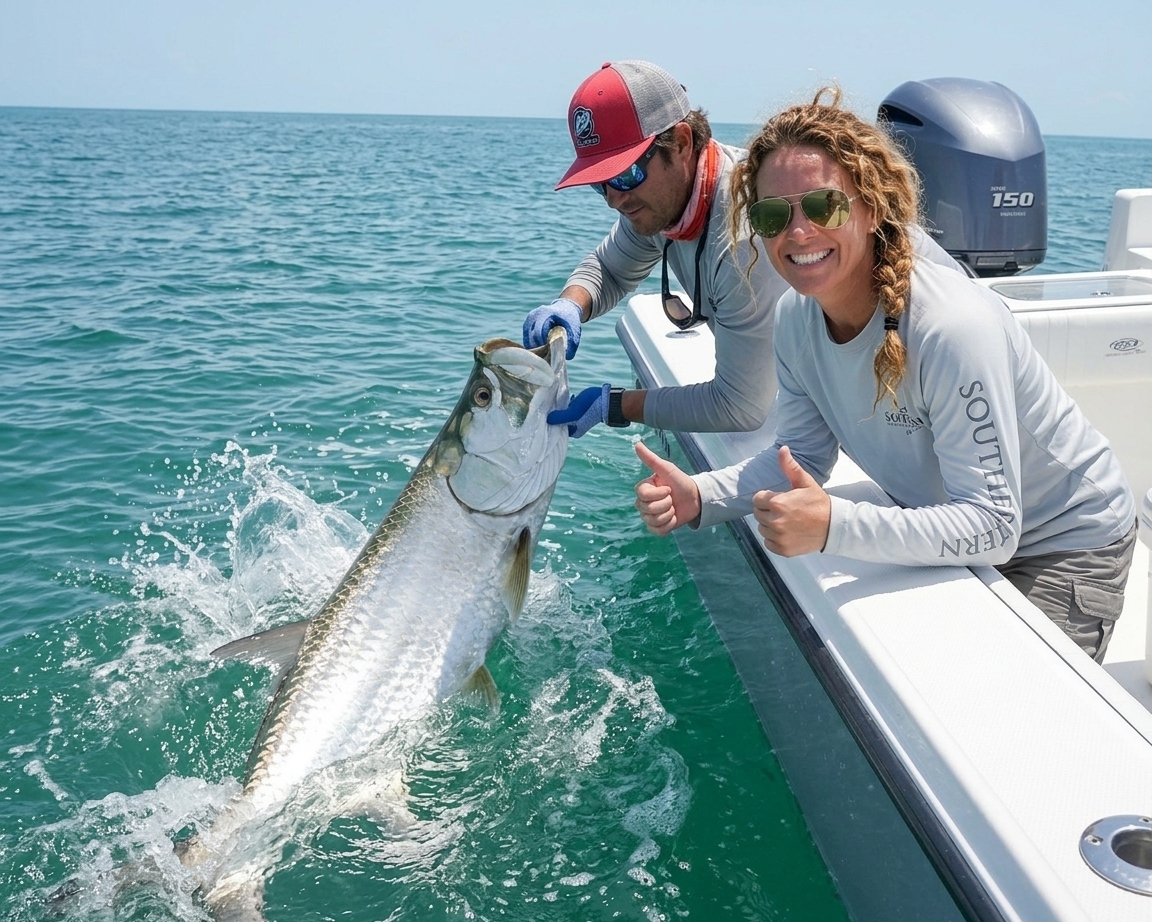
Why Timing the Tides Matters
Tarpon feed more aggressively during moving water. Slack tide can be dead. Incoming tide pushes bait into the bay, and outgoing tide pulls it toward the Gulf. Charters plan trips around these windows, targeting specific zones when conditions align.
Morning and evening bites are stronger, but mid-day can produce if you're fishing deeper water or shaded structure. Learning how weather patterns affect Tampa Bay fish behavior helps captains adjust based on what the fish are doing that day, not what they did last week. Flexibility wins more often than rigid plans.
Getting the Most Out of Peak Season
Book early. May and June slots fill fast, and the best captains are locked in months ahead. Show up ready to listen, follow instructions, and handle a rod properly. Tarpon aren't forgiving, and neither are experienced guides who've seen every mistake in the book.
Bring sun protection, plenty of water, and realistic expectations. Even the best charters can't guarantee fish on every trip. But they can guarantee you'll be in the right spots, using the right tactics, with the best possible shot at hooking into a Silver King that'll leave your arms shaking and your drag screaming. For those looking to target these incredible fish, Tampa tarpon fishing delivers when you fish it the right way. Check our fishing charter prices and make your reservation today.
Let’s Make Your Next Tarpon Trip Unforgettable
We know the thrill of chasing tarpon in Tampa Bay, and there’s nothing like sharing that experience with anglers who are ready for the challenge. If you want to maximize your shot at a trophy catch this season, let’s get you on the water with a crew that lives for these moments. Give us a call at 813-732-5971 or book now to secure your spot and let’s make your next fishing adventure one to remember.
← Previous Post Next Post →
Recent Posts
-
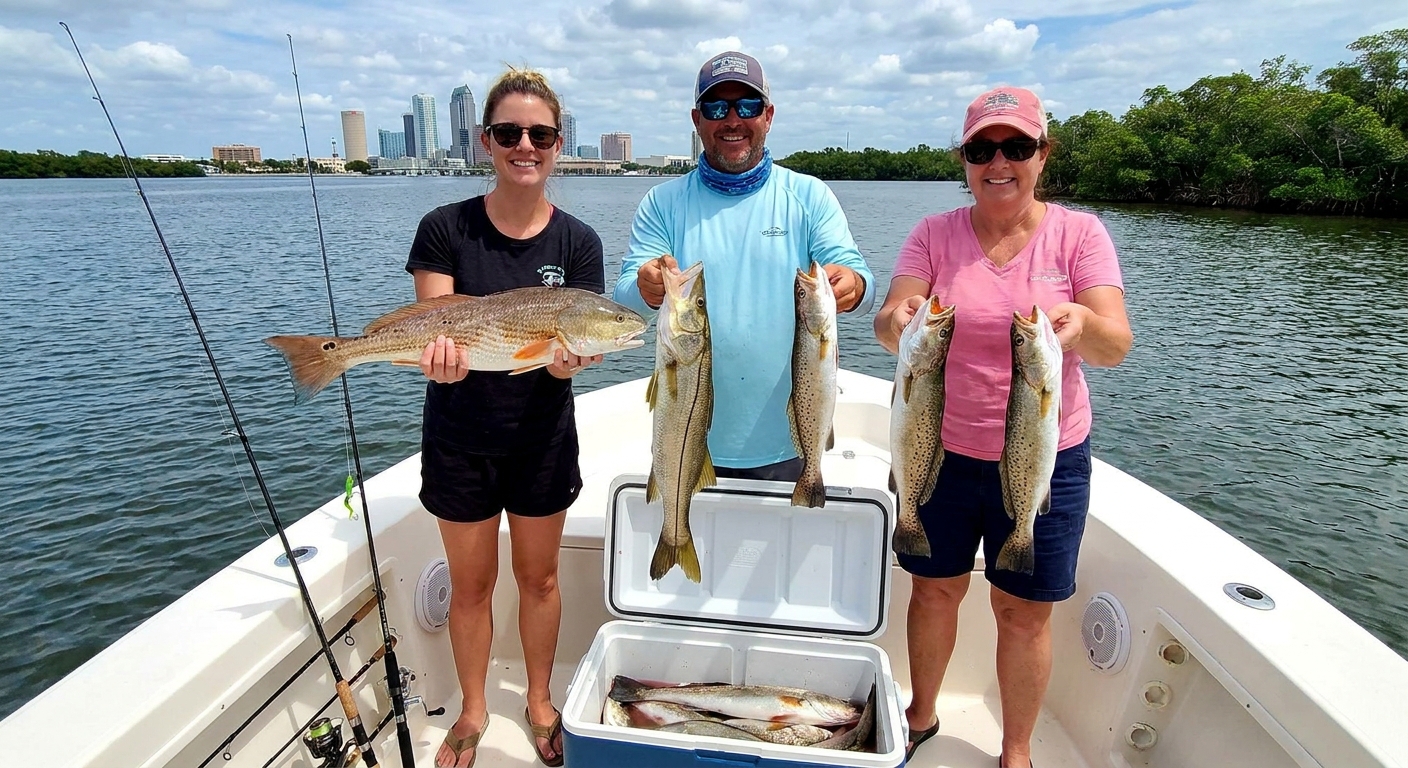
Can You Catch Multiple Fish Species on One Tampa Fishing Charter?
October 20, 2026
-
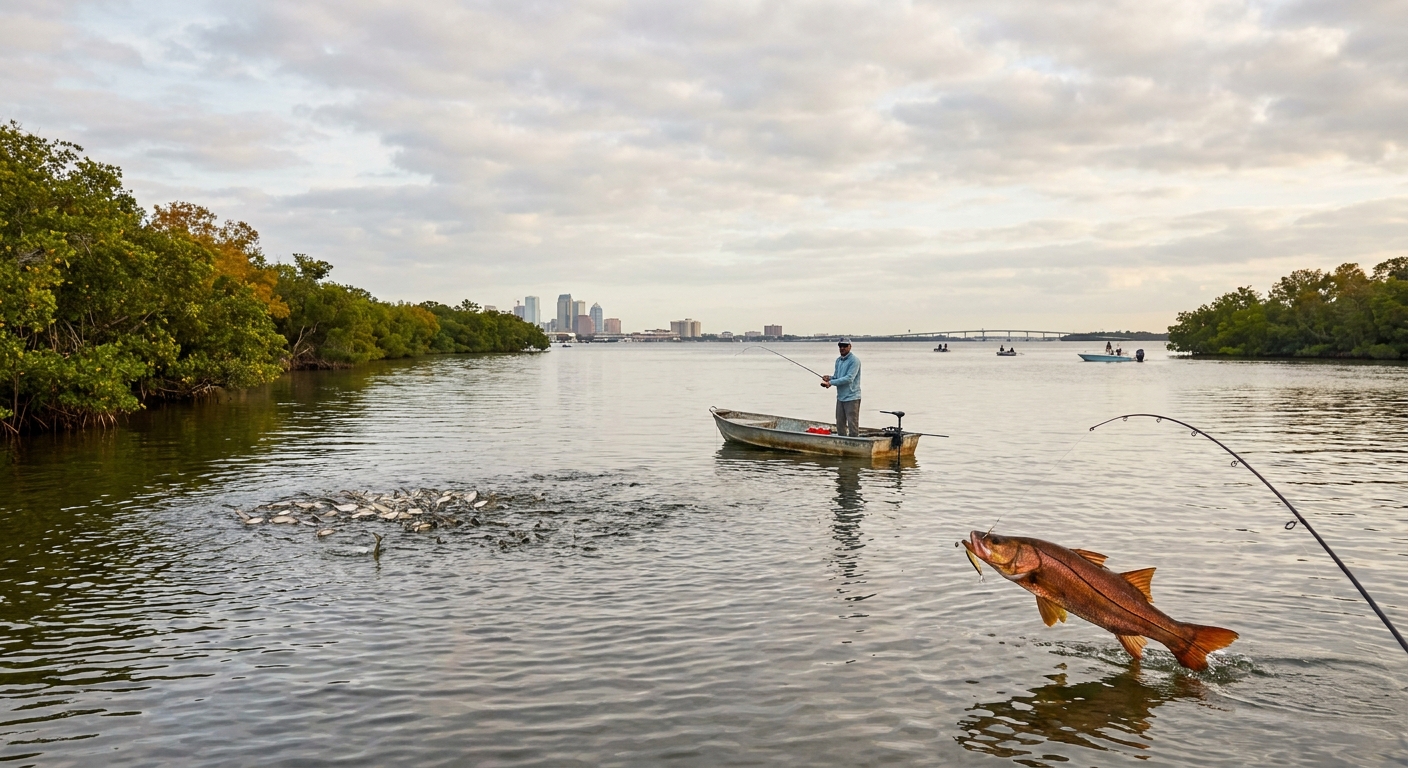
What Makes Fall a Great Time for Tampa Bay Fishing?
October 6, 2026
-
Can Beginners Enjoy a Tampa Fishing Charter?
September 22, 2026
-
What Should You Wear on a Tampa Fishing Charter?
September 8, 2026
-
Should You Book a Morning or Afternoon Tampa Fishing Charter?
August 25, 2026