
What Fish Are Biting In Tampa?
Most anglers look at Tampa Bay and see one thing — opportunity. But if you don't know what's actually feeding when you hit the water, you're burning daylight and bait. The fish are there. They've always been there. The question isn't whether they're biting — it's whether you're targeting the right species at the right right time with the right setup.
So here's what matters. Tampa's waters shift with the seasons, the tides, and the temperature swings. What worked in February won't cut it in July. And if you're tossing the same rig year-round, you're leaving fish in the water. Every trip should start with a game plan — not just a cooler and a prayer.
The Big Three That Never Disappear
Certain species stick around no matter what the calendar says. Snook, redfish, and spotted seatrout don't take vacations. They shift zones, change feeding windows, and adjust depth — but they're available if you know where to look. These aren't trophy fish by accident. They're consistent because they adapt, and that's exactly what keeps them in range twelve months a year.
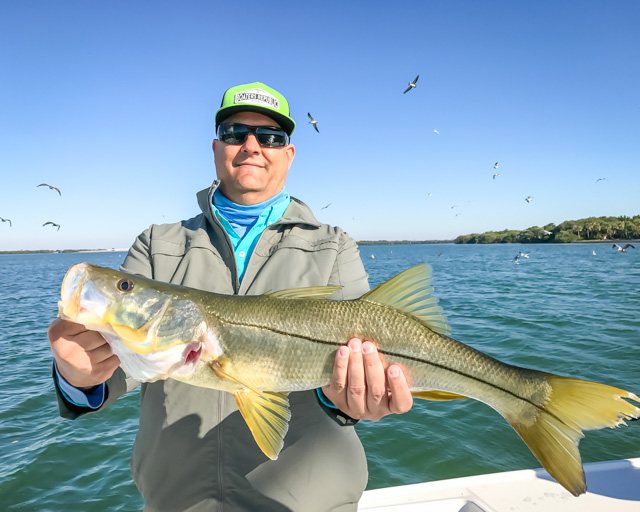
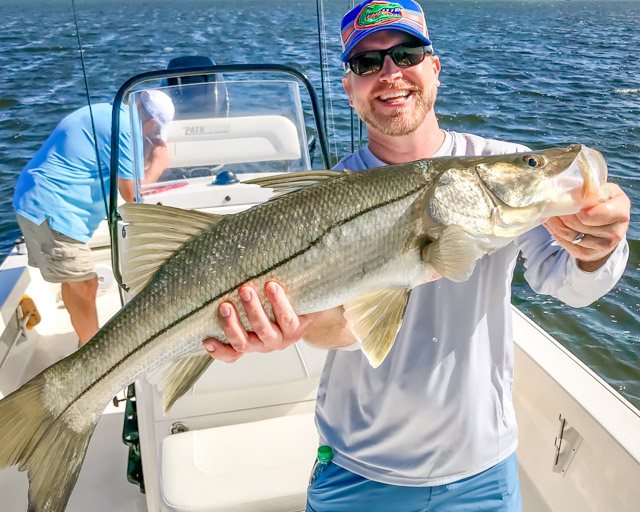
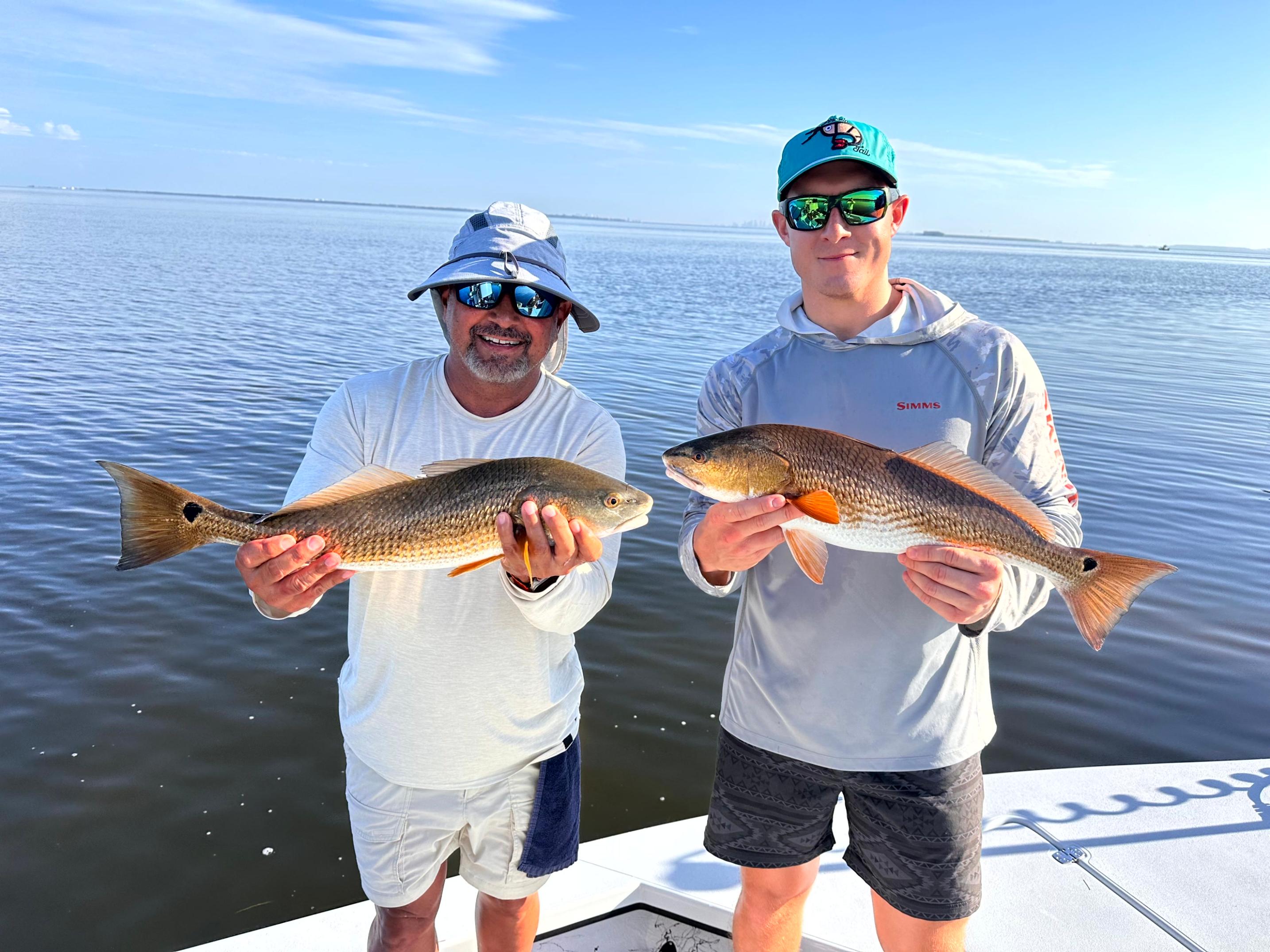
Snook patrol the mangroves and bridges, especially when the tide pushes bait through narrow cuts. Redfish camp out on shallow flats near oyster beds, often in water so skinny you can see their tails. Seatrout hang over grass beds and potholes, feeding aggressively when conditions align. None of these fish require offshore runs or heavy tackle. Just sharp timing and clean presentation.
- Snook thrive around structure and moving water, especially during spring and fall when temperatures moderate
- Redfish school heavily in autumn but remain catchable throughout the year in predictable zones
- Spotted seatrout bite harder in cooler months, making late fall through early spring prime windows
- All three species respond well to live shrimp, pilchards, and soft plastics worked near bottom structure
- Tidal movement triggers feeding behavior more reliably than time of day alone
Spring Wakes Everything Up
When water temps climb out of winter lows, the bay transforms. Tarpon start their migration, showing up in numbers that turn passes and bridges into combat zones. These fish don't nibble — they explode on baits and launch into the air like they're trying to shake the Gulf off their backs. Snook and reds also flip the switch, feeding more aggressively as baitfish populations surge.
Spring isn't just about one species. It's about overlapping windows where multiple targets are active at once. You can work a flat for reds in the morning, chase snook under docks midday, and position for tarpon near a bridge at sunset. The diversity alone makes it one of the strongest stretches of the year.
- Tarpon migrations peak as water temps hit the mid-70s and hold
- Snook move shallow and feed heavily after slower winter activity
- Redfish become more visible and aggressive as baitfish schools multiply
- Early mornings and late evenings produce the most consistent strikes
- Live bait outperforms artificials when fish are keyed in on specific forage
Summer Brings Heat and Heavyweights
July and August crank up the temperature — and the action. Tarpon fishing hits its absolute peak, especially around passes where they stack up waiting for bait to flush through. Sharks patrol the same zones, turning hooked fish into a race against time. Inshore, snook and reds adjust to the heat by feeding early and late, avoiding midday sun whenever possible.
Summer fishing isn't about grinding all day. It's about hitting the right two-hour windows when fish are actually moving. Dawn and dusk deliver the bulk of the action, and anyone sitting out there at noon is either chasing sharks or wasting gas. Adjust your schedule or adjust your expectations.
- Tarpon fishing dominates bridge and pass areas throughout summer months
- Shark activity intensifies, creating bonus opportunities for anglers targeting larger species
- Snook and redfish shift to shade and current breaks during peak heat
- Early morning trips outperform afternoon sessions by a wide margin
- Live bait and cut bait both produce, depending on target species and location
Fall Stacks the Deck
Cooler air and dropping water temps trigger one of the best bites of the year. Redfish school up in massive numbers, often in water so shallow you can sight-cast to individual fish. Spanish mackerel and king mackerel flood the bay, slashing through bait schools and creating surface chaos that's visible from a distance. Snook remain active, and seatrout start their winter push into deeper grass beds.
Fall is when everything clicks. Conditions stabilize, fish feed aggressively to prepare for cooler months, and bait is everywhere. It's not uncommon to catch multiple species on a single trip without changing zones. The variety alone makes it worth clearing your calendar.
- Redfish school heavily, making them easier to locate and target in numbers
- Spanish mackerel and king mackerel arrive in force, creating fast-paced surface action
- Snook continue feeding aggressively before winter slows their metabolism
- Seatrout begin their seasonal shift into slightly deeper water over grass
- Tidal flow remains critical for triggering feeding windows across all species
Winter Slows Some, Wakes Others
Cold fronts push certain species offshore or into deeper holes, but winter isn't a dead zone. Sheepshead move in around structure, black drum show up near bridges and rocky areas, and seatrout remain active over grass flats. These aren't flashy fish, but they're reliable — and they taste excellent. Winter fishing rewards patience and precision over speed and aggression.
The anglers who complain about slow winter fishing are usually chasing summer species with summer tactics. Switch gears, target the fish that are actually biting, and winter becomes one of the most productive stretches of the year. Especially if you're after quality fillets instead of Instagram photos.
- Sheepshead bite aggressively around docks, bridges, and rocky structure
- Black drum patrol similar zones and respond well to cut bait and shrimp
- Spotted seatrout remain active over grass beds, especially during warmer afternoons
- Snook slow down but remain catchable near warmer discharge areas
- Winter species often require lighter tackle and more finesse presentations
Putting It All Together
Tampa Bay doesn't play favorites. It rewards preparation, timing, and the ability to adjust when conditions shift. The fish are biting — they're always biting. But if you show up without a plan, you're gambling. And most gamblers go home with empty coolers and excuses.
We've watched thousands of trips unfold across these waters, and the pattern is clear. The anglers who succeed aren't the ones with the fanciest gear or the biggest boat. They're the ones who match their tactics to the season, respect the tides, and fish with purpose. That's not luck. That's execution.
Let’s Get You on the Water
Every day on Tampa Bay is a new chance to hook into something unforgettable. If you’re ready to make the most of your next trip and want a crew that knows these waters inside and out, let’s make it happen together. Call us at 813-732-5971 or book now to lock in your spot and experience Tampa fishing at its best.
← Previous Post Next Post →
Recent Posts
-
What Makes Fall a Great Time for Tampa Bay Fishing?
October 6, 2026
-
Can Beginners Enjoy a Tampa Fishing Charter?
September 22, 2026
-
What Should You Wear on a Tampa Fishing Charter?
September 8, 2026
-
Should You Book a Morning or Afternoon Tampa Fishing Charter?
August 25, 2026
-
Can You Catch Redfish Year-Round on a Tampa Fishing Charter?
August 11, 2026