
What Should You Wear on a Tampa Fishing Charter?
Most people think packing for a fishing trip is about throwing on whatever's comfortable. Shorts, a T-shirt, maybe some flip-flops. But Tampa's Gulf waters don't play by those rules — and if you show up unprepared, you're asking for a miserable day. The sun reflects harder off water than pavement. The spray soaks through cotton like it's not even there. And the deck? Slippery enough to send you sliding if your shoes don't grip.
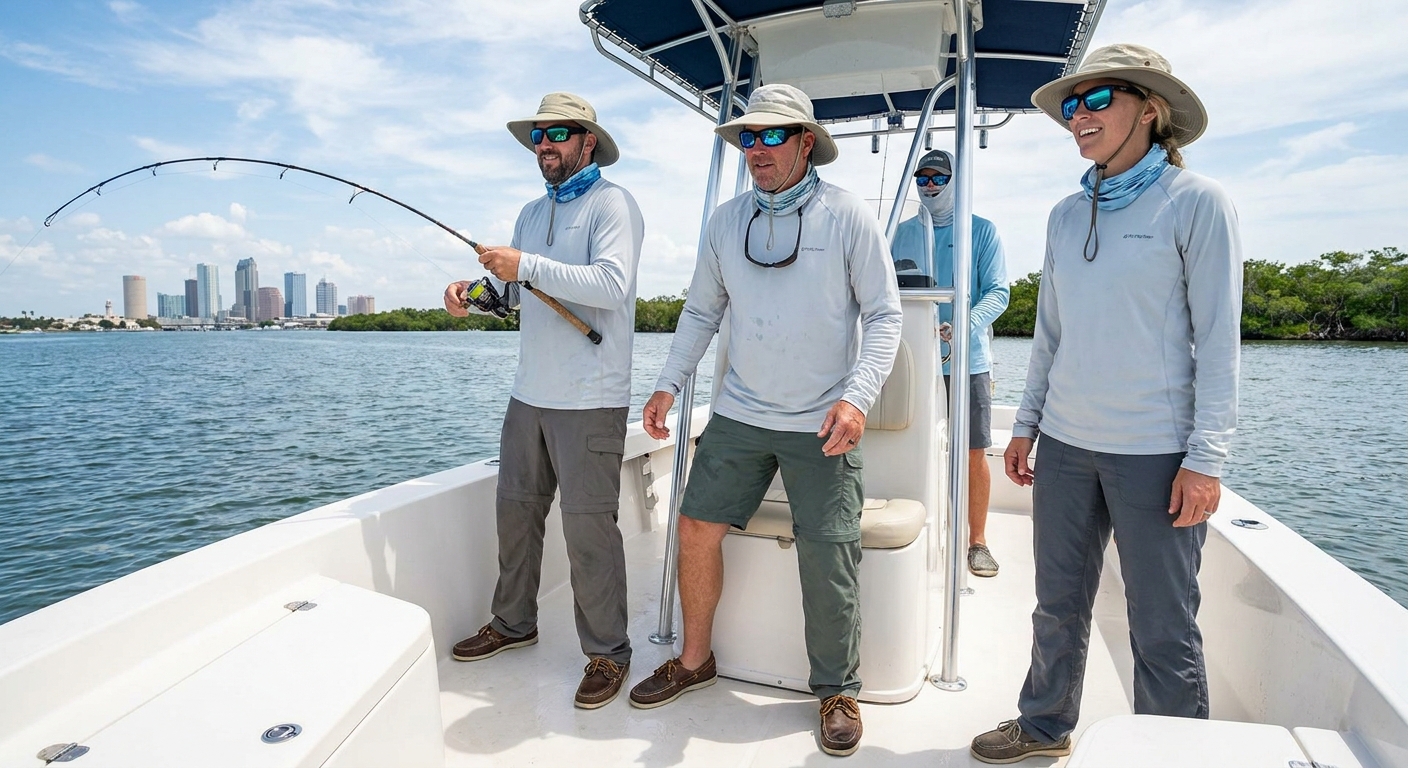
So here's the reality. If you're heading out on a Tampa fishing charter to catch something real, dress like you mean it. Every piece of clothing should serve a purpose. Every accessory needs to earn its spot in your bag. And every decision should be grounded in how the conditions actually behave — not just how you think a day on the water should feel.
Tampa Heat Hits Different on Open Water
You already know Tampa runs hot. Humid, sticky, relentless — especially between May and October. But what most first-timers don't expect is how much worse it gets offshore. There's no shade out there. No breeze strong enough to cool you down when the sun's at full blast. And the reflection off the water doubles the intensity.
Even winter charters can surprise you. Mornings start cool, sure. But by midday, you're peeling off layers and wishing you'd planned better. The key isn't dressing for the forecast — it's dressing for the exposure. Because once you're out there, you're committed.
Fabrics That Work When You're Sweating
Cotton feels great in your closet. On a boat? It's dead weight. Once it gets damp — and it will — it stays that way. Synthetic fabrics like polyester and nylon wick moisture, dry fast, and don't cling. They're built for movement and made to handle saltwater without falling apart.
Long sleeves might sound counterintuitive when it's ninety degrees, but they're your best defense. Arms and shoulders take the brunt of UV exposure, and even waterproof sunscreen won't hold up after hours of sweat and spray. Same goes for pants over shorts. Coverage beats ventilation when the alternative is a lobster-red burn that ruins your next three days.
- Long-sleeved UPF-rated fishing shirts that block UV without trapping heat
- Quick-dry pants that handle splashes and keep your legs protected
- Zip-off convertible pants if you want flexibility later in the trip
- Athletic shorts in moisture-wicking fabric if you absolutely refuse long pants
- Base layers that pull sweat away instead of soaking it in
The Sun Will Find Every Exposed Inch
Out on the water, UV rays bounce off every surface. Your face gets hit from above and below. Your neck, ears, and hands are wide open. And unless you're covering up or slathering on protection, you're going to pay for it.
Sunscreen is non-negotiable, but it's not enough on its own. Sweat breaks it down. Water washes it off. Reapplying every hour sounds reasonable until you're in the middle of fighting a fish and forget. Physical barriers — hats, gaiters, sleeves — don't wear off. They just work.
- Wide-brimmed hats that shield your face, neck, and ears from every angle
- Polarized sunglasses to cut glare and protect your eyes from UV damage
- Neck gaiters or buffs that cover exposed skin without adding bulk
- Broad-spectrum SPF 50+ sunscreen, reapplied often and generously
- Lightweight hoodies with hoods for extra coverage during peak sun hours
Your Shoes Either Grip or They Don't
Decks get wet. Fish slime, saltwater spray, morning dew — it all adds up. If your footwear doesn't have traction, you're one wrong step away from a nasty fall. Flip-flops are the worst offenders. They slide, they flop off, and they offer zero protection when a hook or fin comes into play.
Closed-toe shoes with non-marking soles are the standard. Boat shoes, water shoes, or sandals with heel straps all work — as long as they're designed to stay put and dry quickly. Your feet will get soaked at some point. Plan for it.
- Non-slip boat shoes with rubber soles that won't scuff the deck
- Water shoes that drain fast and grip wet surfaces
- Sandals with secure ankle straps, not cheap flip-flops
- Closed-toe options for charters where hooks and sharp fins are in play
Mornings Start Cool, Afternoons Turn Brutal
Even in summer, early departures can feel chilly. Add wind and spray, and you'll want a layer you can ditch once the sun climbs. A lightweight windbreaker or packable rain jacket does the job without taking up space. Tampa weather shifts fast — afternoon storms roll in without warning. If you're not prepared, you're stuck soaked and shivering for the rest of the trip.
Layering isn't complicated. Start with a moisture-wicking base, add a long-sleeve shirt, and bring something waterproof you can stash in a dry bag. When conditions change, you adjust. Simple as that.
Gear That Keeps You Fishing Longer
Beyond clothing, a few extras make the difference between a good trip and a great one. Gloves protect your hands from line cuts, fish spines, and sun damage. A dry bag keeps your phone, wallet, and spare clothes safe from splashes. And a reusable water bottle reminds you to stay hydrated when you're too focused on the fight to notice you're dehydrated.
- Fishing gloves with grip and UV protection
- Waterproof dry bag for electronics and valuables
- Insulated water bottle to keep drinks cold all day
- Small towel for wiping hands and face
- Lip balm with SPF to prevent chapped, burned lips
What Ruins Trips Faster Than Bad Weather
Heavy cotton soaks up water and weighs you down. Dark colors absorb heat and make you miserable. Jewelry catches on lines, falls overboard, or gets in the way when you're handling fish. Leave the expensive stuff at home. Bring only what you need, and make sure it's built for the job.
Most mistakes happen because people dress for comfort instead of conditions. The boat isn't your living room. It's a working environment where the wrong choice costs you in burned skin, wet clothes, or wasted time adjusting gear when you should be fishing.
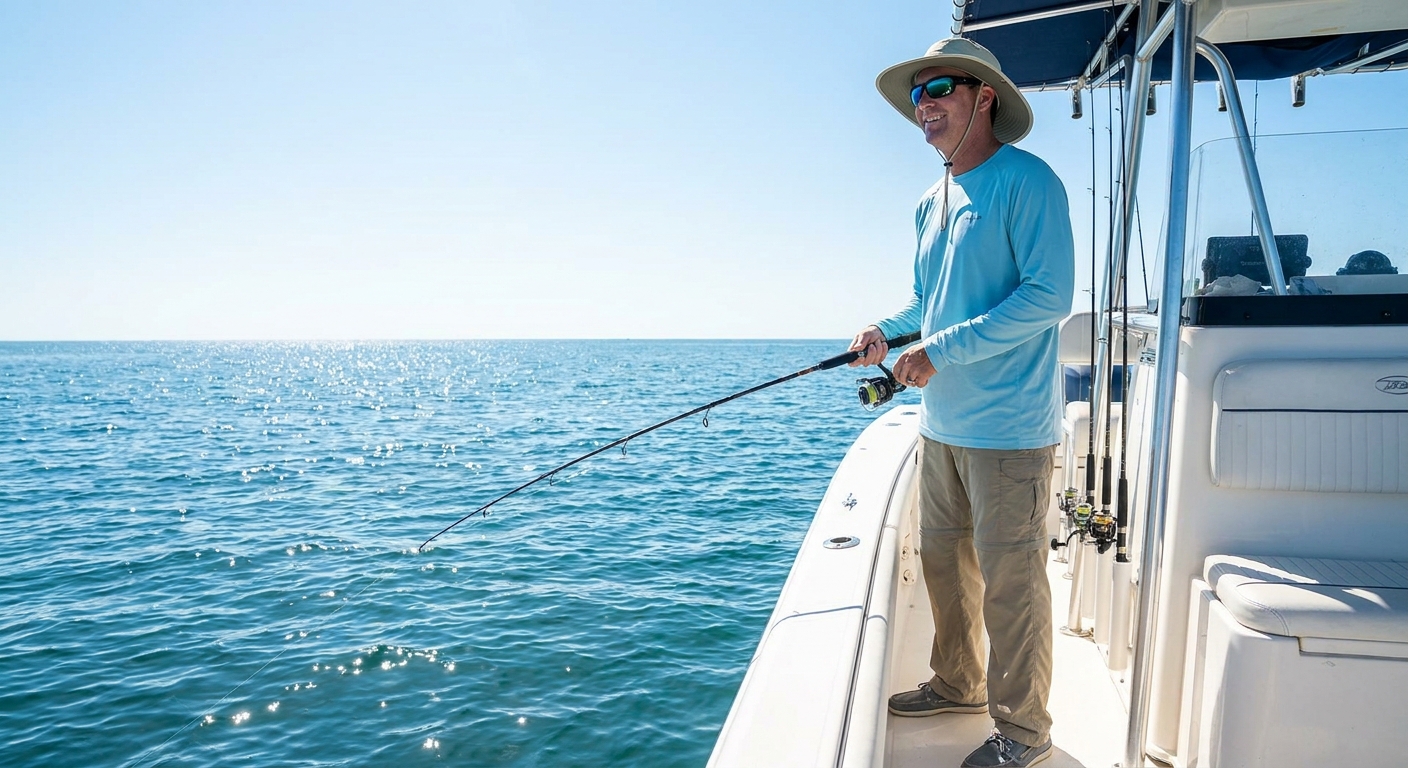
Dress Like You're There to Catch Something
Showing up ready means more than just having the right rod. It means wearing gear that lets you focus on the water instead of your discomfort. Sun protection that actually works. Shoes that grip when it matters. Layers that adapt when the weather shifts without warning.
Tampa charters deliver some of the best inshore and nearshore fishing on the Gulf Coast. But the experience only holds up if you do. Dress smart, pack light, and make sure every piece of clothing pulls its weight. Because once you're offshore chasing tarpon or snook, there's no running back to the car for what you forgot.
Ready to Fish Tampa Bay the Right Way?
We know how much the right gear matters when you’re out on the water, and we’re here to make sure your next Tampa fishing trip is as comfortable and successful as possible. If you have questions about what to bring or want to lock in your charter, let’s talk. Give us a call at 813-732-5971 or book now to reserve your spot and get ready for a day you won’t forget.
← Previous Post Next Post →
Recent Posts
-
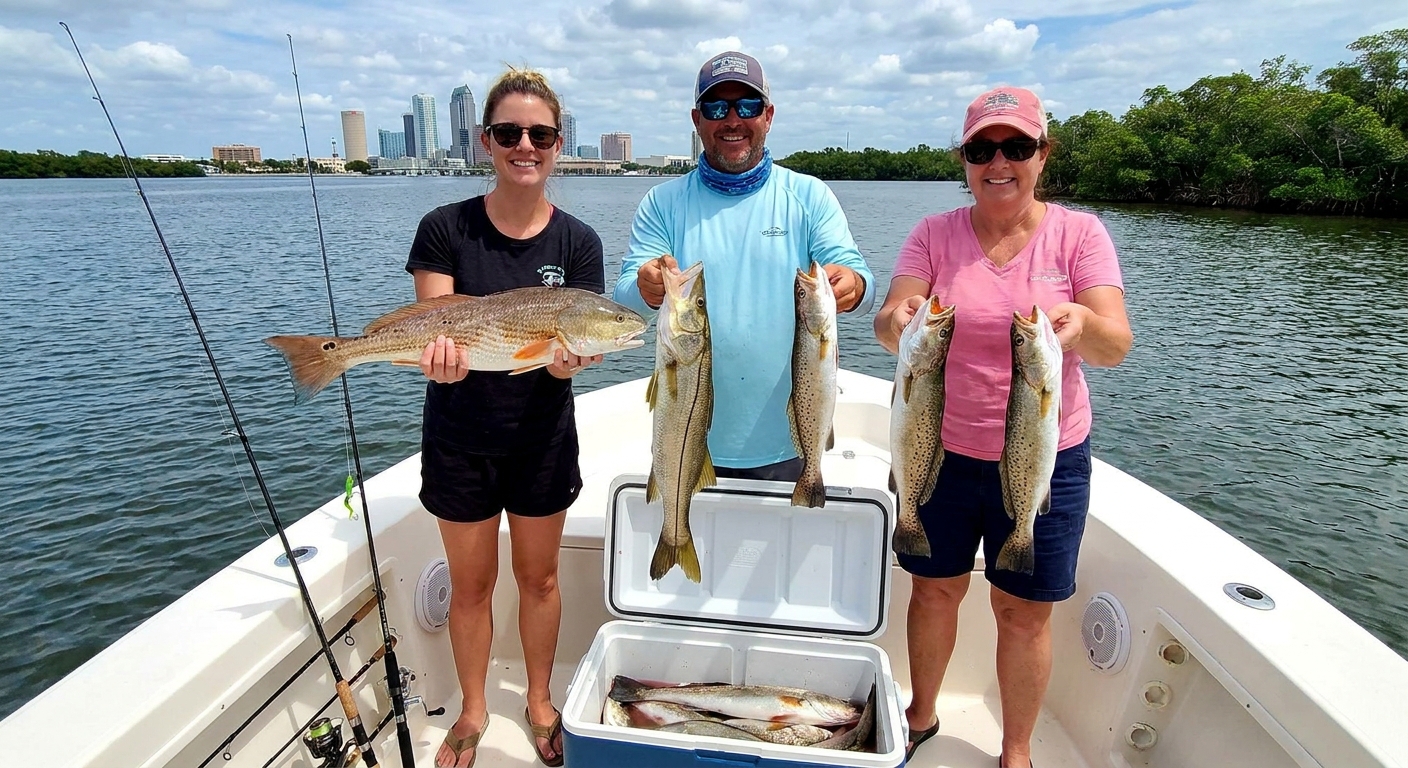
Can You Catch Multiple Fish Species on One Tampa Fishing Charter?
October 20, 2026
-
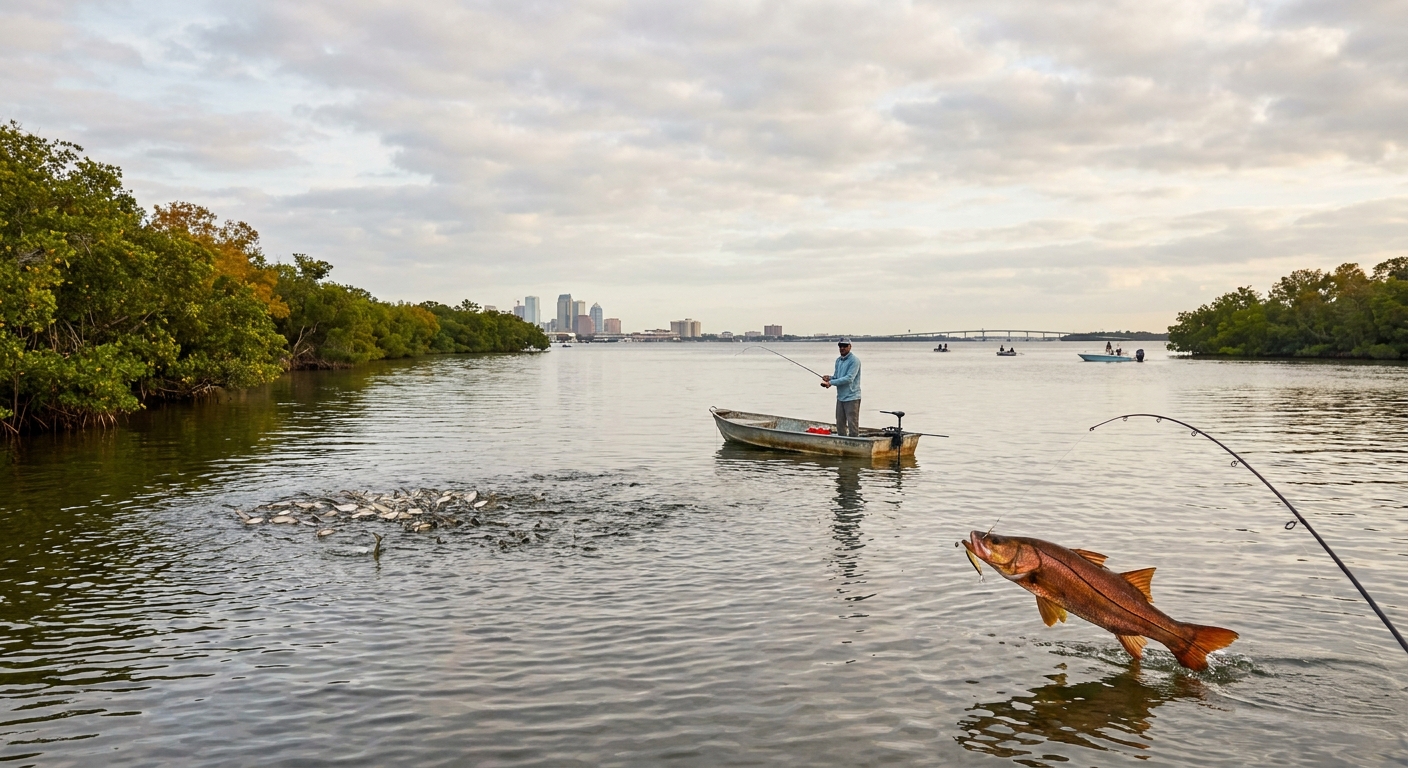
What Makes Fall a Great Time for Tampa Bay Fishing?
October 6, 2026
-
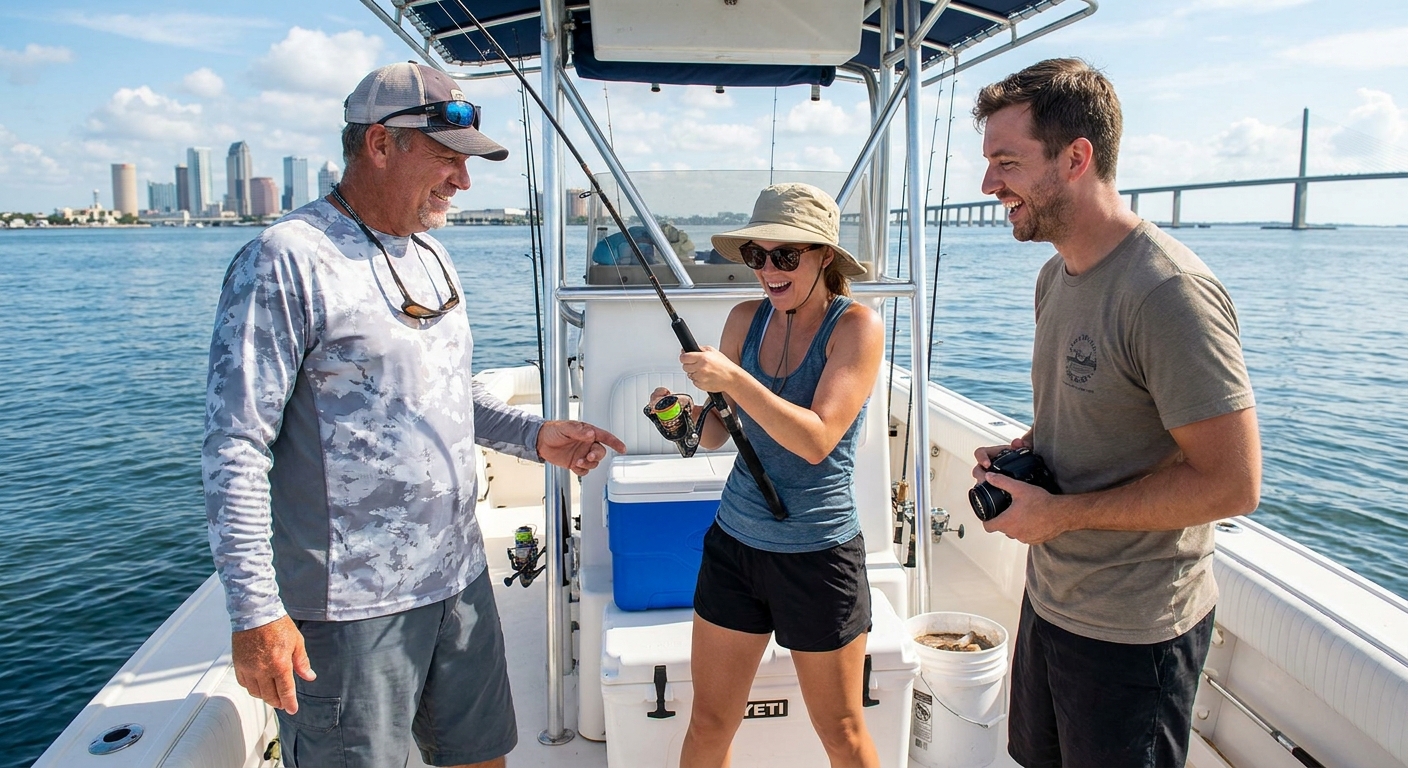
Can Beginners Enjoy a Tampa Fishing Charter?
September 22, 2026
-
What Should You Wear on a Tampa Fishing Charter?
September 8, 2026
-
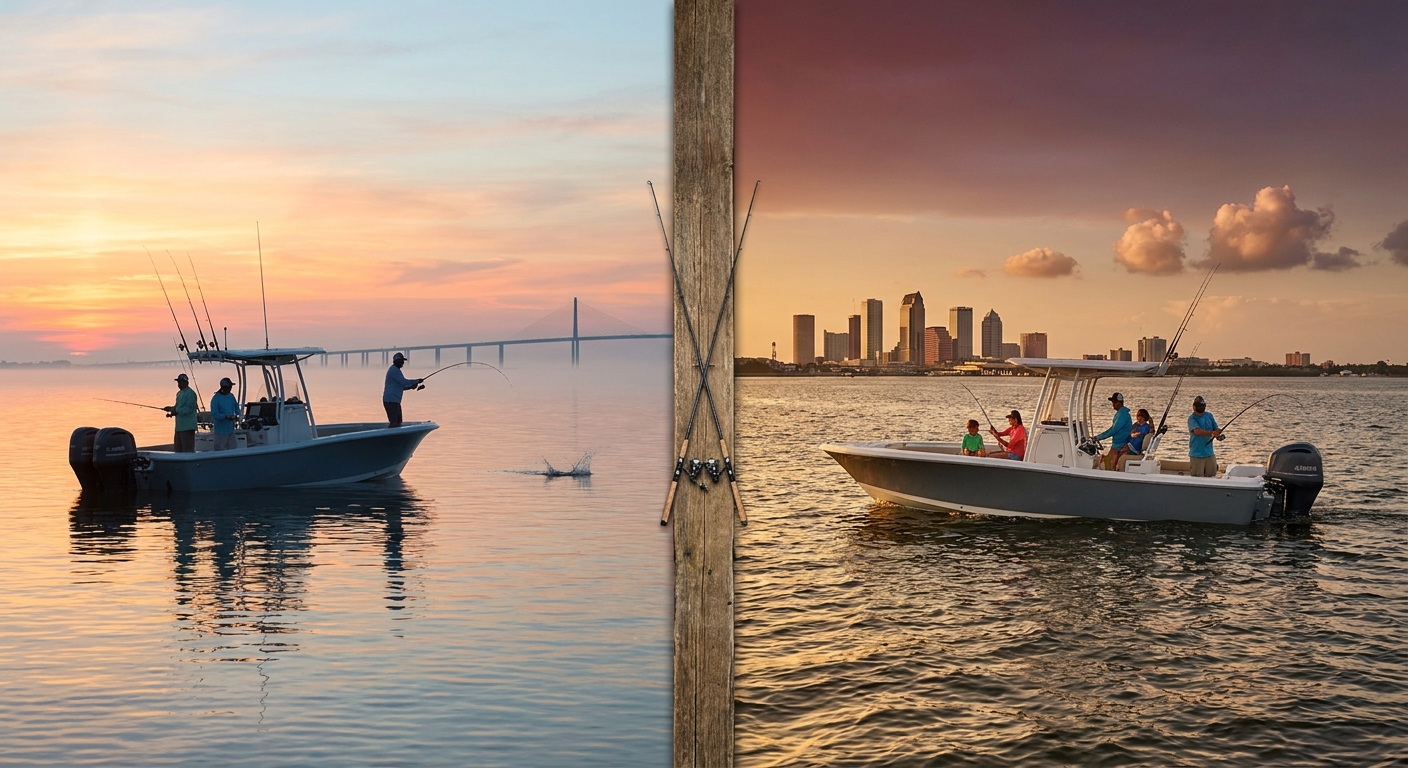
Should You Book a Morning or Afternoon Tampa Fishing Charter?
August 25, 2026