
Can You Catch Multiple Fish Species on One Tampa Fishing Charter?
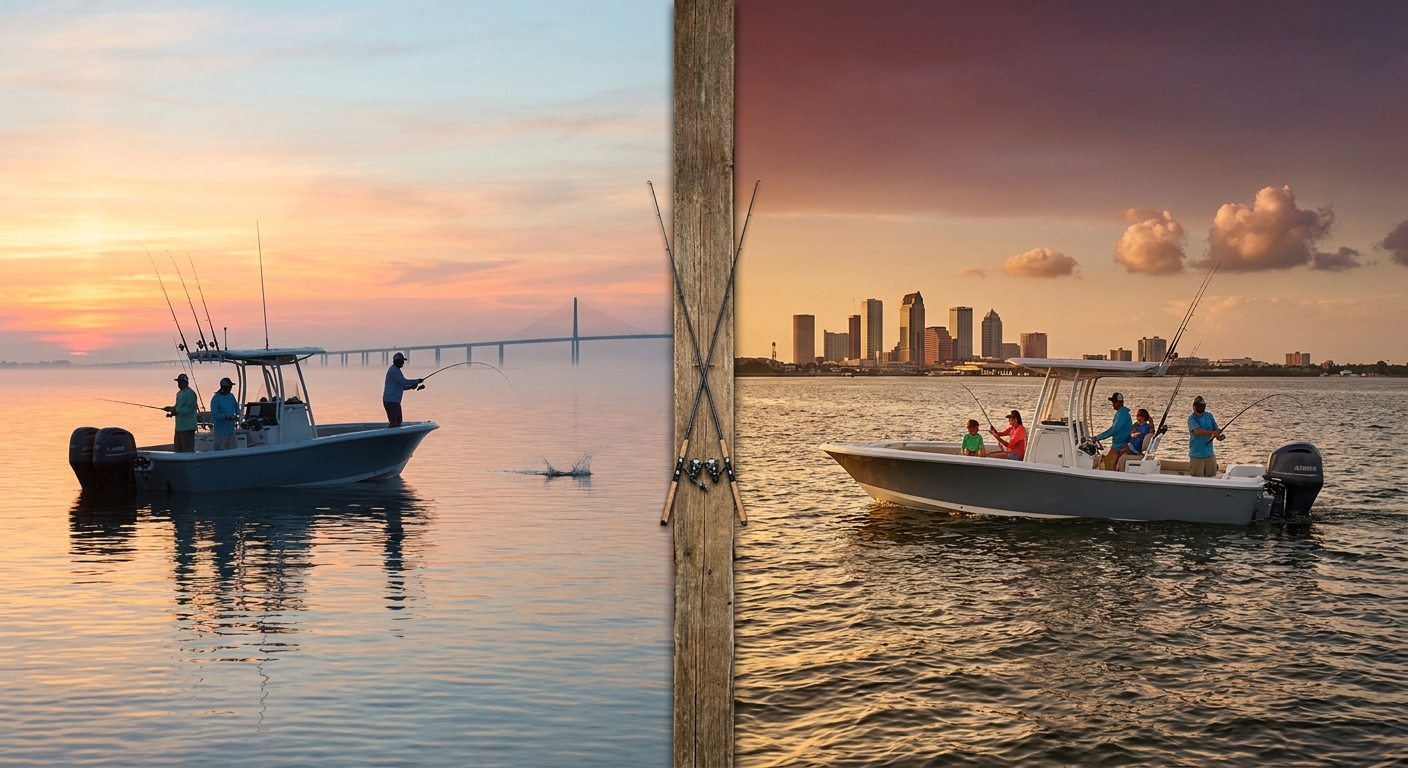
Most anglers think a fishing trip means picking one target and sticking with it. But Tampa Bay doesn't work that way — and if you're not capitalizing on that, you're missing the whole point. The water here isn't a single-species playground. It's a layered ecosystem where redfish, snook, trout, and tarpon all swim within casting distance of each other. You can hook into five different species before lunch if your captain knows what they're doing.
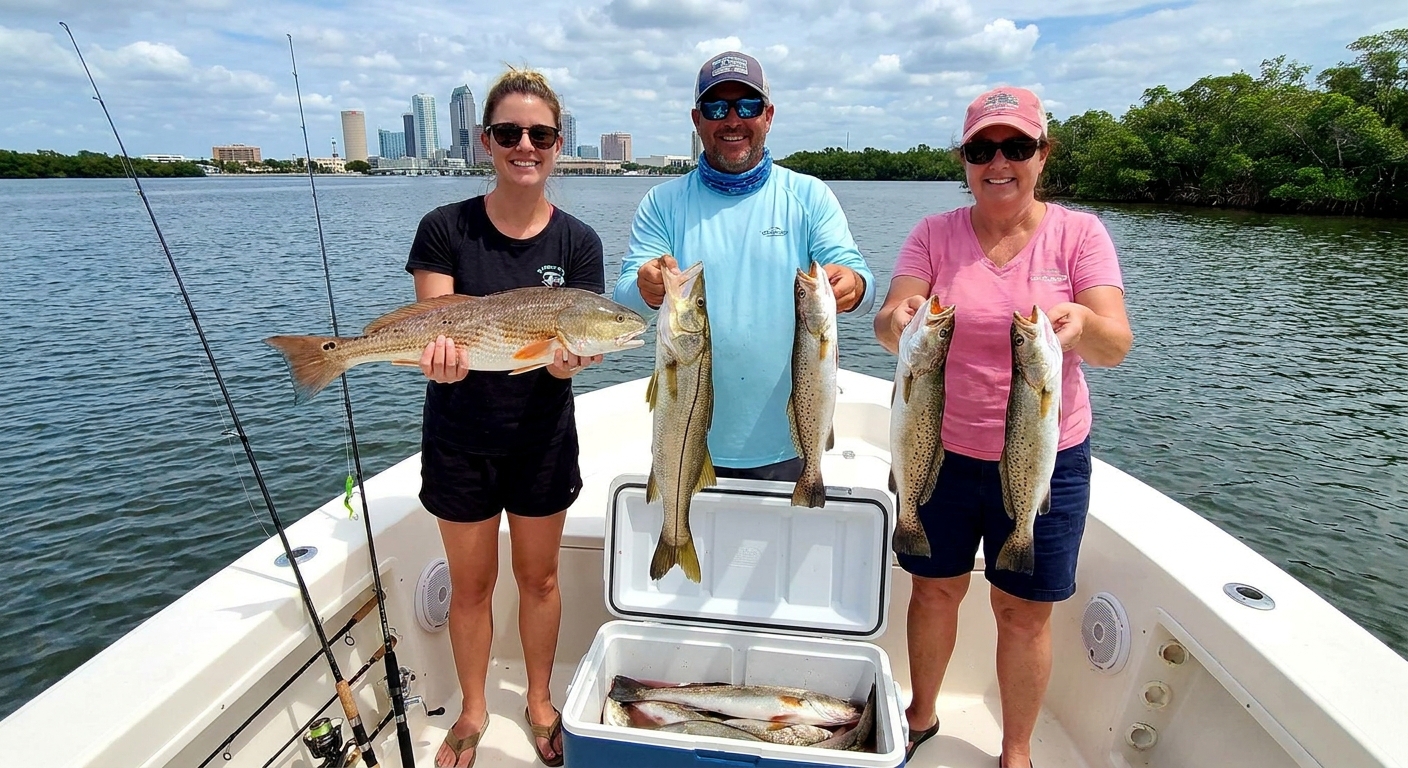
So here's the reality. If you're booking a charter to chase variety, Tampa delivers. Just don't expect to sit in one spot all day. Every fish has a preference — structure, depth, tide, temperature. And every decision your guide makes should be grounded in what's actually moving, not just what looked good on the forecast.
Why Tampa Bay Rewards the Multi-Species Approach
Tampa Bay sits at the crossroads of brackish flats, deep channels, mangrove shorelines, and open Gulf water. That mix creates habitat for everything from shallow-water ambush predators to pelagic speedsters. The fish don't care about your itinerary — they care about bait, current, and cover. Which means if you're willing to move around and adjust tactics, you can stack species fast.
We've seen trips where clients land snook off a dock piling, then drift grass flats for trout, then finish the day fighting a tarpon under a bridge. That's not luck. That's Tampa Bay doing what it does best. And it's why captains who know these waters can turn a four-hour window into a highlight reel.
The Usual Suspects You'll Actually Encounter
Depending on season, tide, and where your captain decides to hunt, you're looking at a rotating cast of aggressive biters and stubborn fighters. Some show up year-round. Others move through in waves. But all of them are fair game on a well-planned charter.
- Snook love structure and will slam a bait near mangroves, docks, or bridges
- Redfish cruise the flats and hit hard when the tide's moving
- Spotted seatrout are plentiful over grass and respond well to live shrimp or soft plastics
- Tarpon migrate through in warmer months and put on a show when hooked
- Sheepshead hang around pilings and are picky eaters with serious bite pressure
- Spanish mackerel rip through bait schools and are fast enough to keep you on your toes
- Grouper and snapper sit deeper and require heavier tackle but are worth the effort
- Sharks patrol the bay and give you a different kind of fight entirely
How Captains Actually Make It Happen
A good guide isn't just driving you to fish. They're reading wind, watching tide charts, and adjusting on the fly based on what's working. We've watched captains pivot mid-trip because the trout bite died or because tarpon started rolling near a channel marker. That adaptability is what separates a decent outing from a memorable one.
Gear shifts too. Live bait works across the board, but your captain might swap to topwater plugs for snook or switch to cut bait for sharks. They're not guessing — they're dialing in based on conditions, species behavior, and what's been producing. If you're open to variety, they'll deliver it. If you're locked onto one fish, they'll make that work too. But limiting yourself to a single species in Tampa Bay is like ordering appetizers and leaving before the entree.
When the Bite Is Best for Stacking Species
Tampa Bay fishes year-round, but spring and fall are peak windows for variety. Water temps stabilize, baitfish are everywhere, and multiple species are feeding aggressively. Summer brings tarpon season and offshore action. Winter slows some species but lights up sheepshead and trout. Your captain knows the calendar and will plan around it.
Tides matter more than most people realize. A strong incoming tide can turn on redfish and snook in the same area. A slack tide might mean switching to deeper structure for grouper. Trust the guide who lives on this water — they've seen every condition and know how to adjust.
What You Need to Do Before You Go
Don't just book and show up. Talk to your captain ahead of time. Let them know if you're chasing quantity or targeting something specific. Ask what's been biting. Clarify what's included — tackle, bait, licenses. The more context they have, the better they can tailor the trip.
- Confirm your skill level so they bring the right gear and set expectations
- Ask about backup plans if weather or bite conditions shift
- Check what you need to bring — sunscreen, snacks, cooler for your catch
- Verify fishing licenses are covered or if you need to grab one beforehand
- Understand the regulations on size limits and bag limits for what you're targeting
Common Mistakes That Kill the Multi-Species Opportunity
Plenty of anglers blow their shot at variety by being inflexible. They book a trip with one fish in mind and refuse to pivot when conditions change. Or they waste time arguing with their captain about where to go instead of trusting the person who's been on this water five days a week for the last decade.
Another trap is showing up unprepared. No hat, no sunscreen, no water. You're out there for hours in full sun and wind. If you're miserable by hour two, you're not going to enjoy the fishing. And if you're not mentally in it, you'll miss bites and lose fish. Preparation isn't optional — it's part of the experience.
Why Variety Matters More Than Numbers
Some trips are about quantity. Others are about checking off species you've never caught. Both are valid. But there's something uniquely satisfying about landing five different fish in one outing. It forces you to stay sharp, adjust techniques, and appreciate how different each species fights.
- Snook pull hard and make blistering runs toward cover
- Redfish dig deep and use their body weight to stay down
- Tarpon jump and throw hooks if you're not ready
- Mackerel scream line off the reel in seconds
- Grouper lock into structure and require patience and pressure
What Happens After the Hookup
Catching the fish is only part of it. Your captain will handle the landing, unhooking, and release — or they'll help you prep keepers for the cooler. Most charters include cleaning and bagging your catch if it's legal to keep. Some even offer recommendations for local spots that'll cook what you caught.
Photos are part of the deal too. A good captain knows how to get the shot without stressing the fish or wasting time. If you're catch-and-release, they'll make it quick and clean. If you're keeping a trophy, they'll make sure it's documented right.
Booking Smart Means Fishing Better
Not all charters are built the same. Some specialize in offshore. Others stick to the flats. If you want multi-species action, make sure your captain's comfortable moving around and changing tactics. Read reviews. Ask questions. Don't just book the cheapest option and hope for the best.
- Look for captains with USCG licenses and local knowledge
- Check if they provide all tackle or if you need to bring your own
- Ask about trip length and whether it includes multiple fishing zones
- Confirm cancellation policies in case weather turns
- Find out if kids or beginners are welcome if that applies to your group
Respect the Resource While You're Out There
Tampa Bay's fishery is healthy because regulations are enforced and most anglers play by the rules. Your captain will know what's legal to keep, what size limits apply, and when seasons are closed. Don't pressure them to bend those rules. It's not worth the fine, and it's not worth damaging the ecosystem that makes this place so productive.
Catch-and-release is standard for most species, especially snook and tarpon. Handle fish with wet hands, minimize air exposure, and revive them properly before letting go. You're not just protecting one fish — you're protecting the next angler's opportunity.
The Water Gives You What You Earn
Tampa Bay doesn't hand you anything. But if you show up ready, trust your guide, and stay flexible, the variety you can catch in one trip is unmatched. We've guided clients who've landed eight species before noon — not because we got lucky, but because we moved with the fish and didn't waste time on dead water. That's the difference between a good day and a great one. And it's why Tampa charters keep pulling people back season after season.
Let’s Plan Your Next Tampa Bay Fishing Adventure
We know the thrill of landing multiple species in a single outing is what makes Tampa Bay truly special. If you’re ready to experience a day where every cast could bring something new, let’s make it happen together. Call us at 813-732-5971 to talk through your goals, or book now and secure your spot on the water with a crew that lives for variety and action.
← Previous Post
Recent Posts
-
Can You Catch Multiple Fish Species on One Tampa Fishing Charter?
October 20, 2026
-
What Makes Fall a Great Time for Tampa Bay Fishing?
October 6, 2026
-
Can Beginners Enjoy a Tampa Fishing Charter?
September 22, 2026
-
What Should You Wear on a Tampa Fishing Charter?
September 8, 2026
-
Should You Book a Morning or Afternoon Tampa Fishing Charter?
August 25, 2026