
What Is The 90/10 Rule In Fishing?
Most anglers think fishing is about covering water. More casts, more spots, more hours. But the reality is sharper than that — and if you don't see it, you're wasting time. Fish don't spread out evenly. They stack up in predictable zones, and the anglers who find those zones consistently are the ones bringing in the numbers. The rest are just hoping.
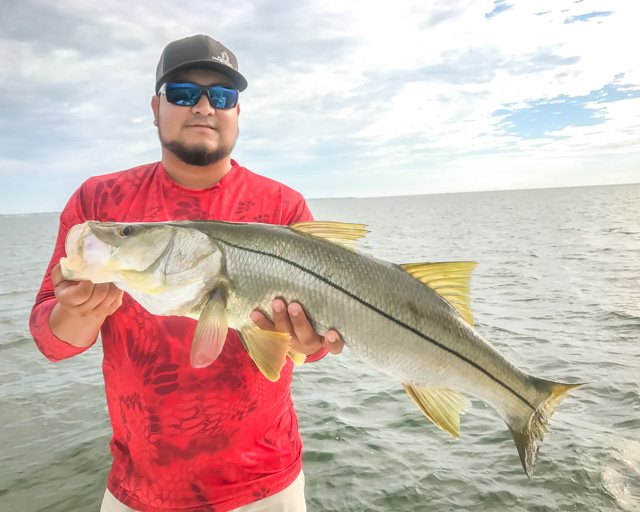
Here's what matters. If you're serious about catching fish, you need to fish where they actually are — not where the water looks good. Every spot you hit should be chosen with intention. Every cast should target structure, current breaks, or feeding lanes. And every decision should be grounded in what the fish need to survive — not just what feels right from the surface.
Ninety Percent of Fish Live in Ten Percent of the Water
The 90/10 rule isn't folklore. It's pattern recognition stripped down to a ratio. Ninety percent of fish hold in ten percent of the available water. That lake you're standing on? Most of it's empty. That river stretch? Fish are stacked in tight pockets while the rest flows barren. You can spend all day dragging lures through dead zones, or you can learn to identify where life concentrates and fish there with purpose.
This isn't about luck. It's about understanding that fish are survivors, not wanderers. They cluster where conditions give them an edge — access to food, cover from predators, optimal temperatures, and oxygen levels that keep them active. Miss those zones and you're fishing blind. Find them and you're in business.
Why Fish Stack Up Where They Do
Fish aren't randomly distributed because their environment isn't random. They gravitate toward places that meet their needs, and those places are rarely the wide-open flats or featureless depths. Structure draws them in. Food keeps them there. And conditions like temperature and oxygen either lock them into a zone or push them elsewhere.
Understanding what pulls fish into specific areas gives you the edge. It's not about guessing. It's about reading water like a map and knowing where X marks the spot before you even wet a line.
- Underwater structure: Rocks, timber, weed edges, docks, and drop-offs create ambush points and shelter. Fish use them to hunt and hide.
- Bait concentrations: Where forage gathers, predators follow. Find the baitfish and you'll find the gamefish.
- Temperature zones: Fish are cold-blooded and seek comfort. Thermoclines, springs, and shaded pockets pull them in when temps shift.
- Oxygen-rich areas: Moving water, vegetation, and inflow areas pump oxygen into the system. Fish need it to thrive.
- Current breaks: In rivers, fish hold behind boulders, in eddies, and along seams where they can rest while food drifts past.
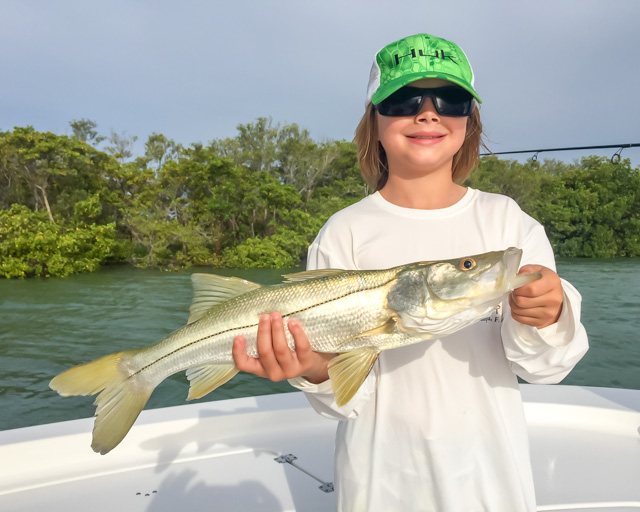
How to Use This Rule Every Time You Fish
Knowing the rule is one thing. Applying it is another. You don't need to fish every inch of water to be effective. You need to fish the right inches. That means targeting high-probability zones and moving quickly when a spot doesn't produce. Speed and selectivity beat blind persistence every time.
Smart anglers don't fish aimlessly. They scan, they eliminate, they focus. They use tools, local intel, and their own observations to narrow down where the ten percent is before they even rig up. And when they find it, they work it hard until it stops giving.
- Study before you go: Maps, forums, reports, and conversations with locals cut your learning curve in half. Don't show up cold.
- Target visible and submerged structure: Use electronics, polarized lenses, or your own eyes to identify where fish should be holding.
- Watch for surface activity: Birds diving, bait flipping, swirls, or ripples all signal life below. Don't ignore the obvious.
- Stay mobile: If a spot isn't producing in fifteen minutes, move. Cover water until you hit the zone.
- Time it right: Early morning, late evening, tidal shifts, and weather changes all activate fish. Combine timing with location and you multiply results.
Where Most Anglers Blow It
The biggest mistake? Fishing randomly and hoping for contact. No strategy, no targeting, just throwing line in the water and waiting. That's not fishing — that's lottery thinking. The second mistake is stubbornness. Sitting on a spot that's dead because it "should" hold fish doesn't make them appear. Move. Adapt. Let the water tell you where to be.
Another trap is ignoring the details. If you're not paying attention to depth, structure, temperature, or what the bait's doing, you're missing the signals. Fish aren't mysterious. They're predictable if you're paying attention. Most anglers just aren't. Understanding how weather patterns affect Tampa Bay fish behavior can give you a major advantage in reading conditions. Similarly, knowing how local conditions change fish activity in Tampa Bay helps you anticipate where fish will be before you even start fishing.
- Fishing without a plan: Random spots produce random results. Target high-percentage water or accept mediocrity.
- Refusing to relocate: Dead water stays dead. If you're not getting bites, you're in the wrong ten percent.
- Ignoring environmental cues: Wind, light, temperature, and bait behavior all tell you where fish are. Read the signs.
- Overlooking electronics: Sonar and mapping tools show you structure, depth changes, and fish marks. Use them.
- Staying surface-level: Don't just fish what you see. Fish what's below. The best zones are often invisible from the boat.
Pattern Recognition Beats Blind Effort
The 90/10 rule isn't a gimmick. It's a lens for seeing water the way fish do. Once you start thinking in terms of concentration zones instead of open acreage, your approach sharpens. You stop wasting casts on empty water. You start stacking catches in the areas that actually matter. Whether you're targeting snook in Tampa Bay throughout the year or tracking redfish patterns in Tampa Bay month by month, applying this principle will sharpen your results. Learning best live bait techniques for Tampa Bay inshore fishing also helps you maximize time in productive zones, and understanding how Tampa Bay water clarity affects your catch adds another layer of precision to your approach.
This isn't about working harder. It's about working smarter. And the anglers who consistently outfish everyone else aren't lucky — they're just fishing the right ten percent while everyone else is still searching the other ninety. Find the zones. Fish them with intent. And stop pretending the whole lake is equal opportunity.
Let’s Put the 90/10 Rule to Work for You
We know that finding the right water is the difference between a slow day and a story worth telling. If you’re ready to fish smarter and want a guide who lives and breathes Tampa Bay’s patterns, let’s make it happen together. Call us at 813-732-5971 or book now to lock in your next trip and experience the difference firsthand.
← Previous Post Next Post →
Recent Posts
-
What Should You Wear on a Tampa Fishing Charter?
September 8, 2026
-
Should You Book a Morning or Afternoon Tampa Fishing Charter?
August 25, 2026
-
Can You Catch Redfish Year-Round on a Tampa Fishing Charter?
August 11, 2026
-
-
What Fish Are Biting In Tampa?
July 14, 2026