
What Happens to the Fish You Catch on a Tampa Fishing Charter?
Most anglers think the catch is the endgame. Rod bends, fish fights, you win—story over. But what happens after that fish hits the deck? That's where things get real. Tampa Bay charters aren't just about hooking something impressive. They're about what you do with it once it's aboard, whether it swims away or ends up on your dinner plate. And if you don't know the rules—or the options—you're missing half the experience.
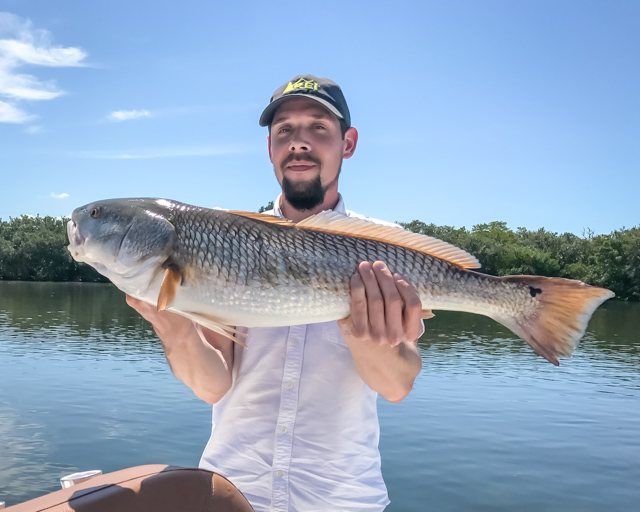
So here's the reality. Every fish you pull from these waters has a path, and it's not always the one you expect. Regulations dictate what stays and what goes. Your captain knows the difference. Your job is to decide what matters more: the fight, the photo, or the fillet. Either way, that fish isn't just yours—it belongs to a system built on sustainability, legality, and respect for what Tampa Bay can actually handle.
Size and Season Decide Before You Do
The moment your catch is on deck, the crew measures it. Not for bragging rights—for compliance. Florida doesn't mess around with fish and wildlife regulations. Every species has a minimum size, a bag limit, and sometimes a closed season. Your captain isn't guessing. They know the law cold, and they enforce it whether you like the answer or not.
If that snook is a quarter-inch short or that grouper came up during a closure, it's going back in the water. No exceptions. The IRS of the ocean doesn't care how hard you fought it or how good the photo looked. You either meet the standard or you release it. And honestly? Most of the time, that's exactly what keeps Tampa Bay worth fishing in the first place.
The Release Isn't Just Tossing It Overboard
Catch and release sounds simple until you see it done wrong. A fish yanked from depth, handled roughly, and thrown back without revival? That's a death sentence with extra steps. Good charters don't operate that way. They use dehooking tools, minimize air exposure, and revive the fish in the water before letting go.
This isn't about being nice. It's about keeping the population viable. Tampa Bay thrives because captains treat undersized, protected, or out-of-season fish like the resource they are. That tarpon you fought for twenty minutes? It swims away strong, lives to spawn again, and maybe—just maybe—your kid hooks it in ten years. That's the trade-off, and it's worth it.
What You Keep Gets Cleaned on the Spot
If your fish clears the legal bar and you want to keep it, the crew handles the rest. Most Tampa charters include cleaning in the package. They'll fillet, debone, and bag your catch right there on the boat. By the time you dock, your fish is iced, portioned, and ready for the grill or the freezer.
Some operations go further. They'll connect you with local restaurants that cook your catch to order. You hand over the fillets, grab a table, and an hour later you're eating the exact fish you pulled from the bay. It's a full-circle experience, and it beats any seafood counter by a mile. Just don't expect this to be free—some charters charge for cleaning, and restaurants usually add a prep fee. But the freshness? You can't fake that.
Here's Where Your Catch Might End Up
- Released back into Tampa Bay if it's undersized, over the bag limit, or out of season
- Cleaned and taken home by you, packed in ice and ready to cook
- Prepared by a partnered restaurant and served as your post-charter meal
- Kept by the crew for personal use or donated to local food programs if you decline to take it
- Documented with photos and measurements for a replica mount, then released unharmed
When You Don't Want the Fish
Not everyone is in it for the meat. Maybe you're just after the fight. Maybe your freezer's already full. Maybe you just don't like cleaning fish at home. Whatever the reason, you're not obligated to keep what you catch—as long as it's legal to keep in the first place.
Tell your captain upfront. If the fish qualifies for release, back it goes. If it's a keeper but you're passing, some crews will take it home themselves or pass it along to someone who'll use it. A few charters even work with local charities that distribute fresh fish to families in need. Either way, nothing rots in a cooler. That's the standard, and it should be.
Trophy Fish Get a Different Treatment
Land something massive—a goliath grouper, a monster tarpon, a personal-record snook—and you might want proof that lasts longer than a photo. That's where replica mounts come in. A quality taxidermist takes measurements and pictures, then builds a lifelike mount using synthetic materials. The fish itself? Released, alive, back into the bay.
It's the best of both worlds. You get the wall hanger, the bay keeps the breeder, and nobody has to explain why a 150-pound fish is decomposing in the garage. Most Tampa captains can recommend a taxidermist they trust. Expect to pay a few hundred bucks minimum, more for larger or detailed work. But if the catch meant something, it's worth the investment.
The Rules Aren't Suggestions
Florida Fish and Wildlife doesn't issue friendly reminders. They issue citations. If you keep an illegal fish—wrong size, wrong season, over your limit—you're looking at fines that start in the hundreds and climb fast. Your captain won't let that happen on their watch, but it's your responsibility to understand what's at stake.
Here's what the law cares about most:
- Minimum and maximum size limits for each species
- Daily bag limits per person, often varying by residency status
- Seasonal closures that prohibit harvest entirely during spawning periods
- Special gear restrictions, like circle hooks for certain species
- Proper documentation if you're transporting fish across county or state lines
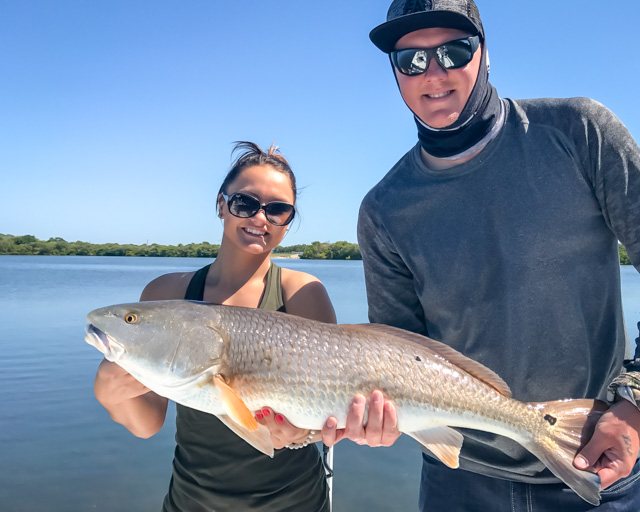
Why Captains Push Sustainability Hard
This isn't about saving the whales or hugging trees. It's about keeping Tampa Bay fishable. Captains who ignore size limits or let clients poach protected species don't last. Their license gets pulled, their reputation tanks, and the resource they depend on for a living suffers. So yeah, they're strict. They have to be.
Sustainable practices aren't optional—they're foundational. Releasing undersized fish, respecting closed seasons, and educating clients on proper handling keeps the ecosystem balanced. You benefit too. The more fish that survive and reproduce, the better your odds of landing something worth keeping next time. That's not sentiment. That's math.
Common Mistakes That Cost You the Catch
Plenty of first-timers—and even repeat anglers—blow it without meaning to. Here's where things usually go sideways:
- Assuming every fish you catch is legal to keep, regardless of size or season
- Handling fish with dry hands or dropping them on hot deck surfaces
- Taking too long to decide whether to keep or release, stressing the fish unnecessarily
- Ignoring the captain's advice because you "know better" from fishing somewhere else
- Not icing your kept fish properly, ruining the meat before you even get to shore
Partnered Restaurants Make It Easy
Some Tampa charters have standing deals with dockside restaurants. You hand over your cleaned fillets, place your order, and they cook it however you want—grilled, blackened, fried, you name it. It's a seamless transition from boat to table, and the fish is as fresh as it gets.
Not every charter offers this, and not every restaurant participates. Ask when you book. Some places charge a cooking fee on top of your meal, others include it as a courtesy. Either way, it beats dragging a cooler home on a plane or trying to fillet a snapper in a hotel sink.
Documentation Matters More Than You Think
If you're keeping fish, especially high-value species like grouper or snapper, document everything. Take photos with the fish next to a measuring tape. Keep your charter receipt. Know the exact count and species you're transporting. If you're flying home, check airline policies and TSA rules for packed seafood.
Why the paranoia? Because Florida Fish and Wildlife does spot checks. So do some airports. If you can't prove your fish were legally caught and within limits, you risk confiscation and fines. A little paperwork on the front end saves a lot of hassle later. And if your captain offers a catch log or compliance form, take it. That's your shield if questions come up.
Smart Choices Beat Lucky Breaks
Booking a Tampa fishing charter is easy. Knowing what happens after the hook-up? That takes some homework. The fish you catch aren't just trophies or meals—they're part of a regulated, sustainable system that only works when everyone plays by the rules. Your captain keeps you legal. You decide what's worth keeping. And Tampa Bay keeps producing fish that make the whole thing worthwhile.
At the end of the day, it's not just about pulling something from the water. It's about respecting what's there, understanding the process, and making the call that fits your trip. Whether that fish swims free or ends up on your plate, you walked away with more than a story. Before you head out, check the fishing charter prices and review your packing list for Tampa Bay fishing charters to ensure you're fully prepared. You walked away knowing exactly how it all works—and that matters more than most anglers realize.
Ready for Your Own Tampa Bay Fishing Story?
We know every trip is about more than just the catch—it's about the memories, the meals, and the moments you can't get anywhere else. If you're ready to experience Tampa Bay fishing the right way, let's make it happen together. Call us at 813-732-5971 or book now and we'll handle the rest, from the first cast to the last fillet.
← Previous Post
Recent Posts
-
What Happens to the Fish You Catch on a Tampa Fishing Charter?
November 17, 2026
-
Are Tampa Fishing Charters a Good Choice for Kids?
November 3, 2026
-
Can You Catch Multiple Fish Species on One Tampa Fishing Charter?
October 20, 2026
-
What Makes Fall a Great Time for Tampa Bay Fishing?
October 6, 2026
-
Can Beginners Enjoy a Tampa Fishing Charter?
September 22, 2026