Can You Catch Redfish Year-Round on a Tampa Fishing Charter?
Most anglers assume redfish disappear when the seasons change. They don't. Tampa Bay holds these fish twelve months a year, and if you know where to look — or better yet, if your captain does — you're never out of season. But that doesn't mean every month fishes the same. Water temperature shifts behavior. Tide cycles dictate location. And if you're not adjusting your approach, you're working twice as hard for half the action.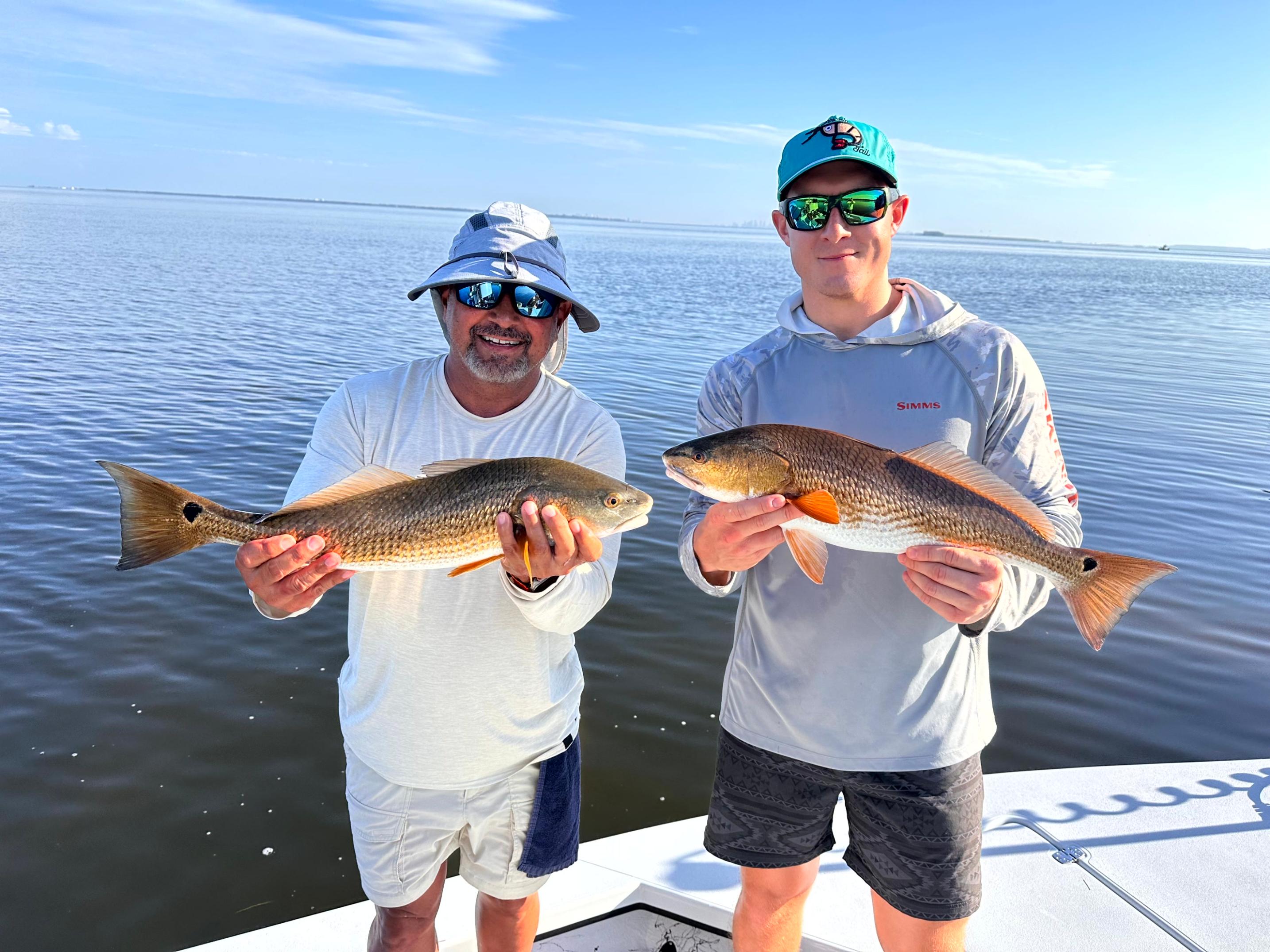
So here's what matters. Redfish don't migrate out of Tampa Bay like some species do. They're residents. That means opportunity exists whether it's January or July. The difference is in how you fish for them — and whether you're willing to adapt when conditions demand it.
Redfish Don't Leave, They Just Move
Tampa Bay's inshore ecosystem supports redfish through every season because the habitat is diverse enough to accommodate their needs. Grass flats, mangrove edges, oyster bars, and deeper cuts all serve different purposes depending on water temp and food availability. When it's cold, reds drop into warmer pockets. When it's hot, they cruise structure that holds oxygen and shade.
This adaptability is what makes them catchable year-round. But it also means you can't fish the same spot the same way in December that you did in August. The fish are there — they've just repositioned. And if you're not reading the water, you're burning daylight.
What Winter Fishing Looks Like
From December through February, redfish school tighter and hold in areas where the water stays stable. That usually means deeper channels, potholes, and cuts where cold snaps don't hit as hard. On sunny afternoons, they'll push onto the flats to warm up, but it's not an all-day affair. You've got a window, and it's usually midday when the sun's doing the work.
Bait selection shifts too. Live shrimp and cut mullet outperform artificials when the fish are lethargic. Slow your retrieve. Let the bait sit. Winter reds aren't chasing — they're conserving energy. Match that pace or you'll pull the bait right past them.
- Target deeper structure during cold fronts
- Fish the flats when sun warms shallow water
- Slow down your presentation and let bait linger
- Live shrimp and cut bait outperform plastics in cold water
- Midday windows often produce better than early mornings
Spring Turns the Flats Into a Hunting Ground
March through May is when things get visual. Water warms, baitfish explode, and redfish spread out across the shallows looking to feed hard. This is prime sight-fishing territory. Tailing reds in knee-deep water, fins breaking the surface, backs exposed as they root for crabs and shrimp. It's the kind of fishing that makes you forget to check your phone.
Anglers who know how to read body language and water color will clean up during spring. The fish are aggressive, less spooky than they'll be in summer, and willing to eat just about anything that moves. Gold spoons, paddle tails, and topwater plugs all get their turn. Just don't stomp around or make sloppy casts — even hungry reds will blow out if you're careless.
- Watch for tailing fish on shallow flats
- Polarized sunglasses are non-negotiable for sight fishing
- Make long casts to avoid spooking cruising reds
- Topwater and spoons trigger aggressive strikes
- Early morning and late afternoon offer the best visibility
Summer Means Adjusting Your Clock
June through August brings heat, and with it, a shift in timing. Midday fishing can be brutal — not just for you, but for the fish. Water temps climb, oxygen drops, and redfish retreat to cooler zones or go dormant in the heat. That's why serious anglers fish the edges of the day. First light and last light are when reds move, feed, and give you a real shot.
Mangrove shorelines, docks, and oyster bars become go-to spots. Anything that provides shade or structure will hold fish. Topwater lures at dawn can be explosive. Live bait fished under docks during the heat works when nothing else will. Just don't expect the same all-day bite you got in spring. Summer fishing is about efficiency and timing, not grinding it out in the sun.
- Fish early mornings and late evenings to avoid heat
- Target mangroves and docks for shade-holding reds
- Topwater lures work best at first light
- Live bait under structure produces when it's hot
- Stay hydrated and don't push through the dead hours
Fall Brings the Bull Reds
September through November is when Tampa Bay sees its best redfish action. Mature fish — the big, bruising bulls — move into the bay to spawn, and they do it in numbers that can turn a slow morning into chaos. Schools of fifty, a hundred, sometimes more, pushing water and feeding with zero regard for subtlety. This is the season that puts Tampa on the map for redfish.
These fish are aggressive, less selective, and willing to eat almost anything you throw. It's also when trophy-class reds show up, the kind that test your drag and make you question your knot-tying skills. If you're booking a charter specifically for redfish, fall is when you do it. The fish are there, they're feeding, and the conditions line up better than any other time of year.
- Look for large schools of bull reds in open water
- Cast into the edges of the school to avoid spooking fish
- Heavy tackle is necessary for bigger, stronger reds
- Cut bait and large paddle tails trigger aggressive strikes
- Book charters early — fall is peak season and captains fill fast
Why a Charter Beats Going Solo
You can fish Tampa Bay on your own. Plenty of people do. But if you want consistent results regardless of season, a good captain is worth every dollar. They know where the fish move when the water cools. They know which flats fire up in spring. They know the structure that holds summer reds when the heat is on. And they've got the gear, the bait, and the boat to put you in position without wasting half your day guessing.
Charters also handle the logistics — licenses, tackle, safety equipment, local regulations. You show up, fish, and go home with photos and fillets. No trial and error. No blown trips because you fished the wrong tide or brought the wrong bait. Just results.
- Captains know seasonal patterns and adjust tactics accordingly
- All licenses and gear are provided
- Local knowledge saves time and increases hookups
- Guides follow size and bag limits to keep you legal
- Customizable trips for beginners or experienced anglers
The Right Approach Wins Every Season
Redfish are available year-round in Tampa Bay, but availability doesn't guarantee success. What works in winter won't cut it in summer. What crushes in fall might flop in spring. The anglers who do well are the ones who adapt — or hire someone who already has. If you're serious about catching reds, stop treating every trip the same. Understanding redfish patterns in Tampa Bay means reading the season, respecting the conditions, and fishing smart with guidance from experienced Tampa fishing charters. That's what separates limit days from long drives home with nothing but excuses.
Let’s Get You on the Water
We know Tampa Bay redfish better than anyone, and we’re ready to help you make the most of every season. If you’re ready to experience the thrill of a year-round bite and want a crew that puts you on fish, let’s make it happen. Call us at 813-732-5971 or book now to lock in your next fishing adventure.
← Previous Post Next Post →
Recent Posts
-
Can Beginners Enjoy a Tampa Fishing Charter?
September 22, 2026
-
What Should You Wear on a Tampa Fishing Charter?
September 8, 2026
-
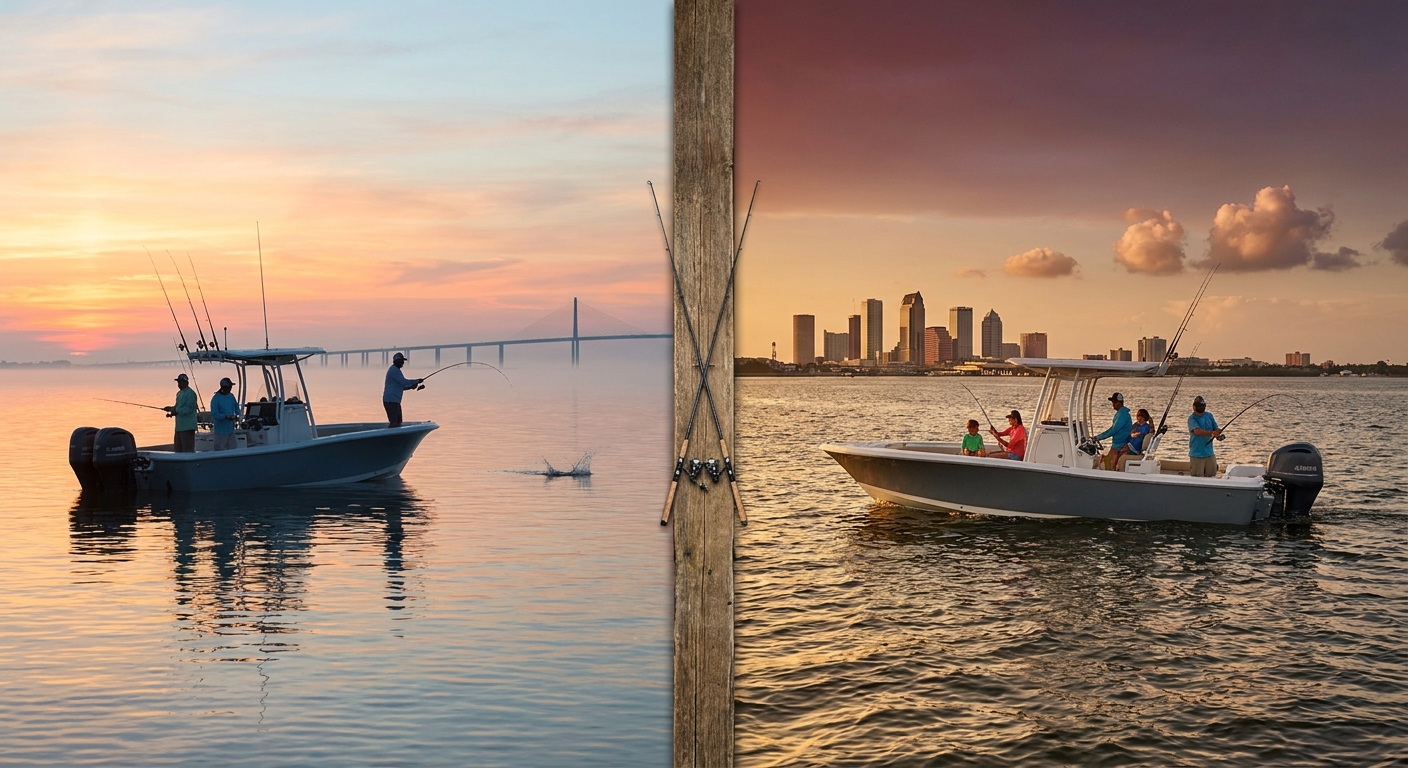
Should You Book a Morning or Afternoon Tampa Fishing Charter?
August 25, 2026
-
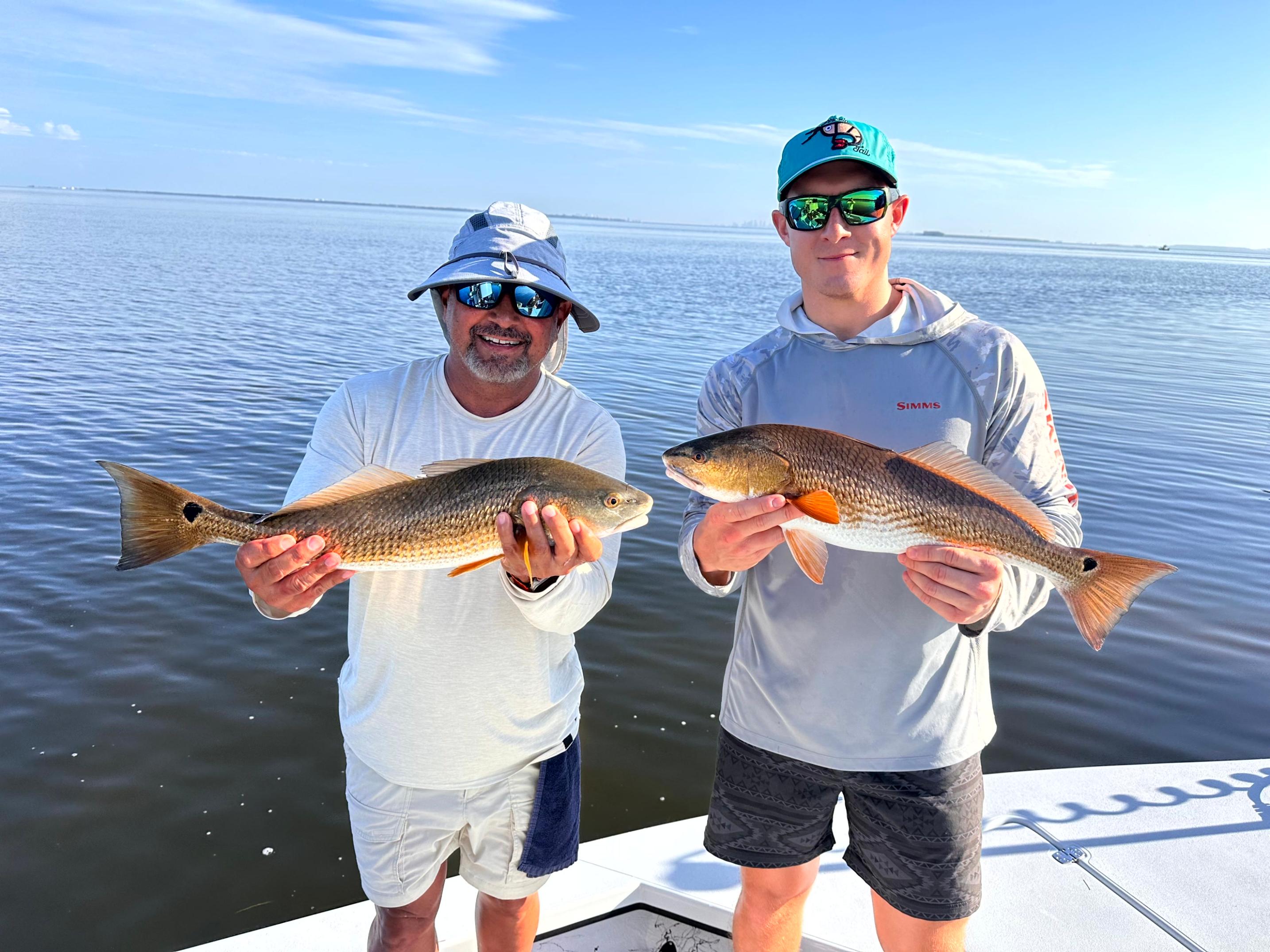
Can You Catch Redfish Year-Round on a Tampa Fishing Charter?
August 11, 2026
-