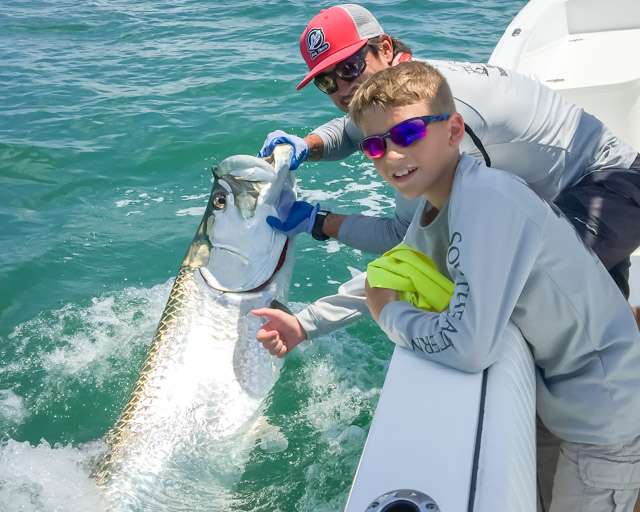
How to Read the Tides for a Better Day of Fishing in Tampa Bay
Tide changes make or break a fishing trip in Tampa Bay. When the water moves, fish move. Redfish and snook don’t waste time on a dead tide. They’re on the hunt as soon as the current picks up. Miss that window, and you’re just casting for practice.
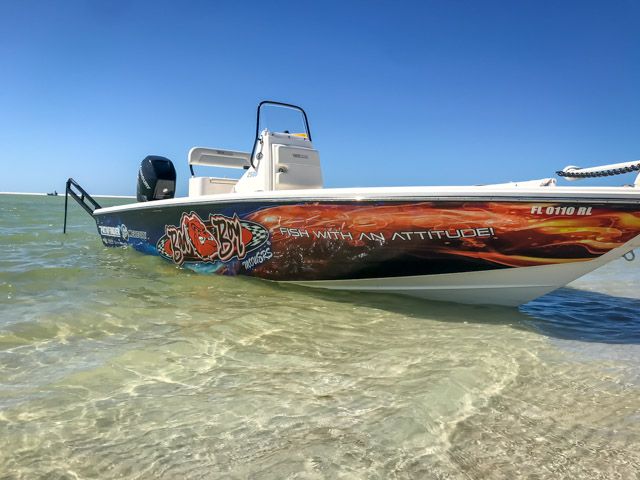
The best days start with a plan built around the tide chart. It’s not about luck. It’s about knowing when the water moves, where the bait stacks up, and how the moon pulls the strings. The right tide flips a slow morning into a run of bent rods. The wrong one? You’re just feeding the pinfish.
- Incoming water: Bait floods the flats. Redfish and snook follow, hunting in the shallows.
- Outgoing water: Food gets flushed from the grass. Predators wait at the edges, ready to ambush.
- Slack water: Everything slows. Fish rest. Bites drop off.
- Moon phase: Full and new moons bring big swings and strong currents. Quarter moons mean softer flows and subtle bites.
- Tidal current speed: Fast water fires up the bite, but too much scatters fish. Slow water can mean lazy fish or scattered schools.
- Spot positioning: Edges, points, and cuts change with the tide. Where you anchor or drift matters.
- Best tide times: The hour before and after peak movement is when the action peaks.
Dial in these details and you’ll see the difference. Use the redfish patterns in Tampa Bay to match your timing. The right approach to tide chart fishing Tampa keeps you ahead of the game. Every trip is a new lesson in reading water and finding the bite.
Incoming and Outgoing Tides
The first thing to check before launching is the direction of the tide. Rising water brings baitfish and crustaceans onto the flats. Snook and redfish follow, hunting in the new territory. As the tide falls, everything gets funneled out of the mangroves and oyster bars. Predators line up at the pinch points, waiting for an easy meal.
Both stages have their moments. Snook often fire up as water pushes in, while redfish get aggressive as the tide drops and exposes new feeding grounds. The snook tides Tampa Bay are no secret. Watch the water rise, and you’ll see the action build. Redfish tides Tampa reward those who know when to move with the falling water.
- Rising water: Fish push up onto the flats and into the mangroves, searching for food and cover.
- Falling water: Predators stack up at creek mouths, channels, and drop-offs, waiting for bait to get swept their way.
- Mid-tide: Steady movement keeps fish active without overwhelming them. Overlooked by many, but often productive.
Match your approach to the tide’s direction. For inshore fishing Tampa, set up where the water moves just right. If you want to maximize your chances, our team at Tampa FL Fishing Charters can show you how to use the best live bait techniques to tempt fish as they ride the current.
Slack Water and the Slowdown
Slack water brings everything to a halt. The current stops, and so do the fish. Most anglers keep casting, hoping for a miracle. The reality? Fish use this time to rest or reposition. Bites drop off. This is the moment to regroup, change baits, or move to a new spot. Sometimes, a quick shift in location or a different lure triggers a strike, especially from ambush predators waiting for the first push of the new tide.
Don’t waste energy during slack water. Use it to reset. Check your gear, retie knots, and get ready for the next window. The bite will return when the water starts moving again.
Moon Phase and Tidal Power
The moon pulls the strings in Tampa Bay. Full and new moons bring the biggest swings. Water races in and out. Fish feed hard. Quarter moons mean smaller changes and gentler flows. This is perfect for finesse tactics and subtle presentations.
Every trip starts with a look at the lunar calendar. Big tides mean big opportunities, but also more current to manage. Smaller tides call for patience and precision. The weather patterns and fish behavior guide shows how the moon and weather work together. Use it to pick the best days for trophy catches or steady action. If you’re not sure how to read the lunar calendar, we can help you break down the best days for your goals.
Tidal Current Speed and Control
Not all moving water is equal. Fast currents can fire up the bite, but too much speed makes it tough to keep baits in the strike zone. Slow drifts can mean lazy fish or scattered schools. The sweet spot? Enough flow to stir things up, but not so much that you’re fighting the water more than the fish.
- Fast current: Bait gets pushed around. Fish get aggressive. But baits can be hard to control.
- Slow current: Fish spread out. Bites slow down. Time to downsize tackle or switch tactics.
- Moderate current: The action peaks. Fish feed confidently. Baits stay in the zone longer.
Adjust your weight, leader length, and casting angle to stay in the action. Don’t let the current dictate your day. Work with it. Our guides know how to dial in these adjustments so you spend more time hooked up and less time fighting the elements.
Spot Positioning and Movement
Where you set up matters as much as when you fish. The best spots shift with the tide. Points, creek mouths, and grass edges light up when the current is strong. As the water slows, deeper holes or shaded mangroves become the go-to. The mangrove fishing tips keep you flexible and ready to move when the fish do.
- Strong current: Target edges, points, and cuts. Fish stack up where bait gets funneled.
- Slower water: Shift to deeper pockets or shaded cover. Fish settle in and wait for the next push.
- Changing tides: Stay mobile. Don’t lock into one spot. Follow the water, and you’ll find the fish.
Timing the Best Tide Windows
The hour before and after peak movement is when most fish feed hardest. Plan your trips around these windows. Use the Tampa Bay fishing charter packing list to make sure you’re ready when the bite turns on. Whether you’re chasing redfish, snook, or something else, matching your schedule to the tide gives you the best shot at a banner day.
- Arrive early. Set up before the tide peaks.
- Stay late. The bite often lingers after the main push.
- Keep moving. If the action dies, shift spots with the water.
Every trip is a chance to read the water better. The more you pay attention to the tides, the more fish you’ll put in the boat. If you want to make the most of every window, Tampa FL Fishing Charters is ready to help you time it right.
Book Your Tampa Fishing Charter Now
Ready to put these Tampa Bay tide strategies to work? Call 813-732-5971 or contact us to lock in your spot with Tampa FL Fishing Charters. We’ll help you read the water, pick the best tides, and make every cast count.
← Previous Post Next Post →
Recent Posts
-
Can Beginners Enjoy a Tampa Fishing Charter?
September 22, 2026
-
What Should You Wear on a Tampa Fishing Charter?
September 8, 2026
-
Should You Book a Morning or Afternoon Tampa Fishing Charter?
August 25, 2026
-
Can You Catch Redfish Year-Round on a Tampa Fishing Charter?
August 11, 2026
-