
Should You Fish Early Morning or Late Evening in Tampa Bay?
Most anglers think timing is just about convenience. Show up when you can, cast a line, hope for the best. But Tampa Bay doesn't work that way — and if you're not paying attention to when fish actually feed, you're wasting hours on the water. The bay has rhythms. Temperature shifts. Light changes. And the fish respond to all of it, whether you're ready or not.
So here's what matters. If you're serious about hooking up, you need to understand how the clock affects the bite. Early morning and late evening aren't just pretty times to be out there — they're when the bay comes alive. But they're not interchangeable. Each window has its own advantages, its own challenges, and its own species that show up hungry.
Why the Clock Drives the Bite
Fish don't care about your schedule. They care about temperature, oxygen, and when their prey is moving. Tampa Bay heats up fast, especially in summer. By midday, the shallows can feel like bathwater, and most gamefish head deeper or shut down entirely. That's not laziness — that's survival.
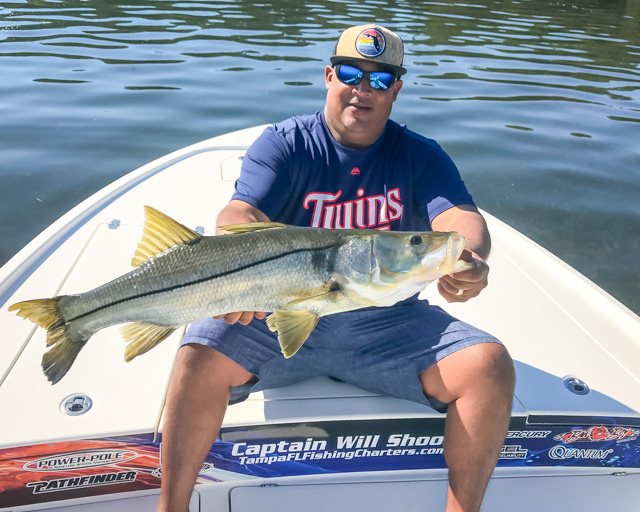
Dawn and dusk flip the script. Water cools. Oxygen levels climb. Baitfish get active, and predators follow. Snook, reds, and trout all key in on these windows because that's when the food chain kicks into gear. Understanding how local conditions change fish activity helps you time your trips for maximum success. Miss those hours, and you're fishing through the slowest part of the day.
What Dawn Brings to the Table
Early morning is when the bay resets. The water's calm, the crowds haven't shown up yet, and fish are coming off a night of rest. They're hungry, they're aggressive, and they're often cruising the shallows looking for an easy meal. If you can drag yourself out of bed, the payoff is real.
There's also something about the quiet. No jet skis. No weekend warriors blasting music. Just you, the water, and fish that haven't been spooked yet. That alone makes it worth the alarm clock.
- Water temps are at their coolest, keeping fish active longer
- Boat traffic is minimal, so fish aren't pressured or scattered
- Baitfish are tight to structure, making predators easier to locate
- Shore anglers and kayakers can access fish that move shallow overnight
- Sunrise provides just enough light to work topwater lures effectively
The Downsides of Fishing First Light
Not everyone's built for a 4:30 a.m. launch. And even if you are, morning fishing has its trade-offs. Fog can roll in thick, cutting visibility and making navigation sketchy. Dew makes everything slippery, from your deck to your rod grips. And depending on the season, some species don't really turn on until the sun climbs a bit higher.
- Requires an early start that doesn't fit every lifestyle
- Low visibility from fog or darkness can slow you down
- Certain fish won't feed aggressively until after sunrise
- Cooler air temps in winter can make the experience uncomfortable
What the Evening Window Offers
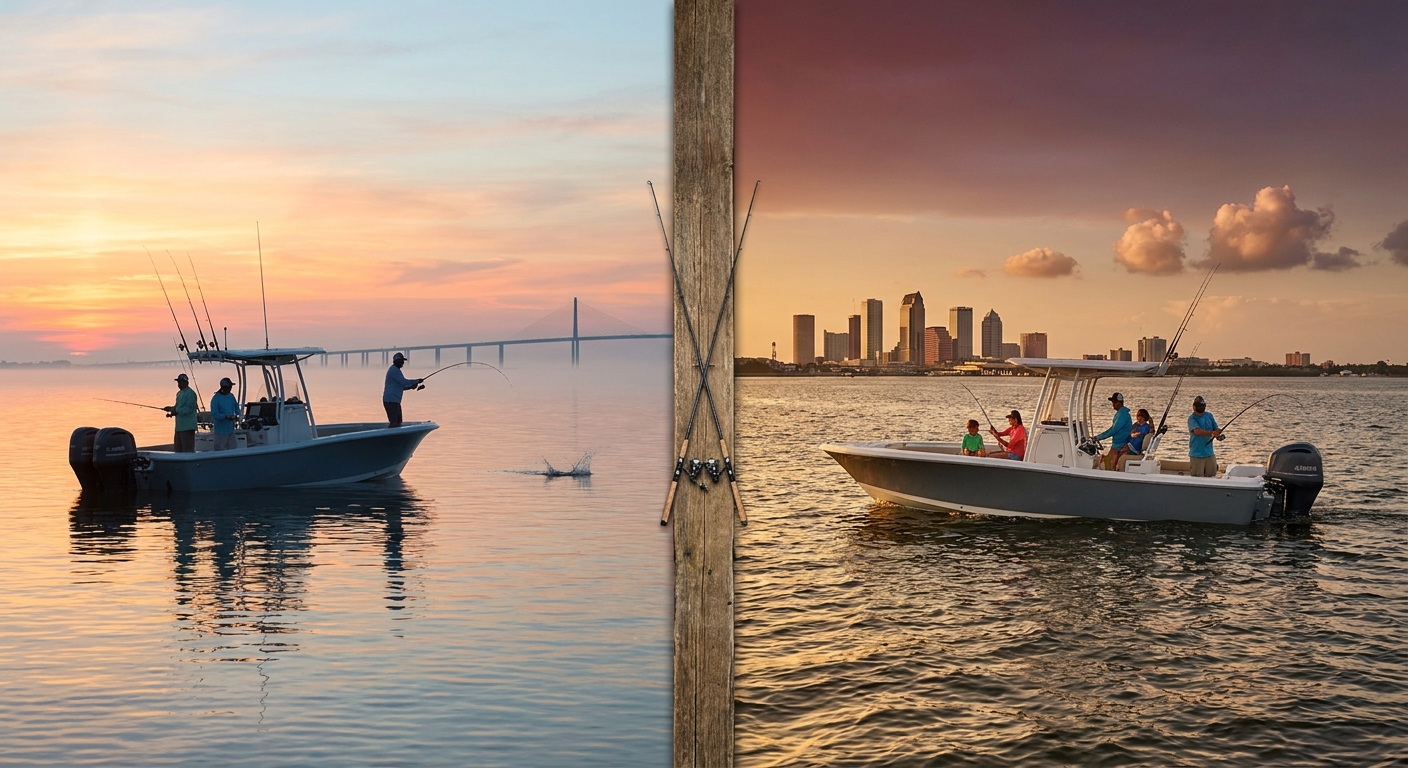
As the sun drops, Tampa Bay shifts gears again. The heat breaks. The water cools. And fish that spent the afternoon hiding start prowling for dinner. Evening bites can be explosive, especially in the hour hour before and after sunset when everything seems to flip a switch.
There's also less competition. Most recreational anglers are off the water by late afternoon, which means you've got prime spots to yourself. And if you're willing to stay past dark, species like snook and tarpon really come alive under the lights.
- Fish feed heavily as they prepare for the night ahead
- Cooler temps make the experience more comfortable in summer
- Fewer boats mean less pressure on the fish
- Sunset provides dramatic lighting for sight fishing
- Night fishing extends your opportunities for aggressive species
Evening Fishing Has Its Own Hurdles
Losing light is the biggest challenge. Tying knots gets harder. Spotting fish becomes nearly impossible. And if you're running a boat, navigation after dark requires extra attention and the right equipment. Bugs also ramp up as the sun sets, especially in warmer months. Mosquitoes don't care how good the fishing is.
- Fading light makes rigging and spotting fish more difficult
- Insect activity increases, particularly near mangroves and grass flats
- Boaters need proper lighting and navigation tools for safety
- Some anglers find the transition to night fishing uncomfortable or disorienting
Matching Your Target to the Time
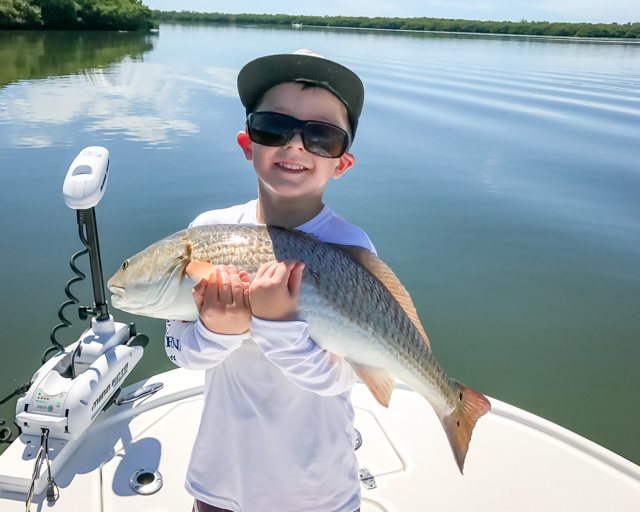
Not all species follow the same schedule. Snook and redfish love low-light conditions, so both dawn and dusk are prime time. Trout tend to feed hardest right at sunrise and again at sunset. Tarpon, especially in summer, are notorious for night feeding frenzies around bridges and channel edges.
If you're fishing inshore, tide matters as much as time. A moving tide during either window will outperform slack water every time. Learning where to find snook throughout the year and understanding redfish patterns month by month will help you target the right species at the right time. Offshore anglers might lean toward morning for calmer seas and better visibility, but evening can produce just as well if conditions hold.
Tactics That Work Both Windows
- Check tide charts and plan around moving water for maximum feeding activity
- Use topwater plugs during low light for explosive surface strikes
- Carry a headlamp or flashlight if you're staying past sunset
- Bring bug spray for evening trips to keep mosquitoes at bay
- Stay hydrated and wear sun protection even during early or late hours
Pick Your Window and Commit
There's no universal answer. Morning works if you're disciplined and want the bay to yourself. Evening works if you prefer sleeping in and don't mind fishing into darkness. Both windows produce, and both have their trade-offs. The real mistake is showing up at noon and wondering why nothing's biting.
Tampa Bay rewards anglers who respect its rhythms. Show up when the fish are feeding, not just when it's convenient. Knowing how weather patterns affect fish behavior and using effective live bait techniques will maximize your success during these prime feeding windows. Do that, and you'll spend less time guessing and more time landing fish.
Let’s Get You on the Water at the Right Time
We know how much timing matters when it comes to fishing Tampa Bay, and we’re here to help you make the most of every trip. Whether you’re an early riser or prefer chasing the evening bite, our team can guide you to the best action. Give us a call at 813-732-5971 to talk fishing, or book now and let’s plan your next adventure together.
← Previous Post Next Post →
Recent Posts
-
What Makes Fall a Great Time for Tampa Bay Fishing?
October 6, 2026
-
Can Beginners Enjoy a Tampa Fishing Charter?
September 22, 2026
-
What Should You Wear on a Tampa Fishing Charter?
September 8, 2026
-
Should You Book a Morning or Afternoon Tampa Fishing Charter?
August 25, 2026
-
Can You Catch Redfish Year-Round on a Tampa Fishing Charter?
August 11, 2026